I used to think Wendy’s was untouchable. For years, their “fresh, never frozen” beef was the ultimate trump card in the fast-food wars. I remember driving past a Wendy’s and seeing a line out the door, even when the drive-thru lane was backed up. It was a different time.
But times change. And when I look at Wendy’s today, I see a brand that is struggling to find its footing.
I am not just saying this because I read the news. I am saying this because I have been watching this industry closely for over a decade. I have seen brands rise and fall based on their ability to adapt. And right now, Wendy’s is at a critical crossroads.
In October 2025, Wendy’s finally admitted they had a problem. They launched “Project Fresh”, a massive turnaround plan designed to fix their operations, close underperforming stores, and bring people back to the drive-thru. Then, in May and June 2026, they brought in a new leadership team with a proven track record of saving struggling restaurants.²
This is a big deal.
Let’s break down exactly what is happening at Wendy’s, what Project Fresh actually entails, and whether this turnaround plan has a real chance of working.
The Decline: How Did We Get Here?

To understand where Wendy’s is going, we have to look at where they have been. The numbers are not pretty.
In the third quarter of 2025, Wendy’s domestic same-store sales fell by 4.7 per cent.¹ That is a massive drop, especially when you compare it to their main competitors. During that same quarter, McDonald’s saw their same-store sales go up by 2.4 per cent, and Burger King was up by 3.2 per cent. ¹
The bleeding continued. By the fourth quarter of 2025, same-store sales had dropped by a staggering 11.3 per cent.³ And the first quarter of 2026 was just as bad, with U.S. same-restaurant sales down another 7.8 per cent.⁴
I remember talking to a franchise owner back in early 2026 who told me, “We are getting killed on beef costs, and people just aren’t coming in.”
That is the crux of the problem. Wendy’s has been losing traffic. They have been relying on promotions and discounts to drive short-term sales, but that strategy only works for so long. Eventually, customers stop seeing the value.
Wendy’s leadership finally admitted this during their Q3 2025 earnings call. Interim CEO Ken Cook acknowledged that the company had been pushing out too many promotions, which ended up confusing customers and eroding the brand’s perceived value.¹
My Personal Failure: The “Value Menu” Illusion
I have to be honest with you. I fell for it.
When Wendy’s started rolling out aggressive promotions and value menu items a couple of years ago, I was one of the people rushing to the drive-thru. I thought I was getting a great deal. I would buy a cheap combo meal, feel good about saving money, and think, “Wow, Wendy’s is really stepping up.”
But here is the failure: I stopped caring about the experience. I stopped caring about the quality. I was only there for the price. And the moment a competitor offered a slightly better deal, I switched.
That is exactly what happens when a brand relies too heavily on discounts. You train your customers to buy your product only when it is cheap. You destroy your brand equity. I did it at Wendy’s, and I am sure thousands of other customers did the same thing.
Wendy’s realised they had created a monster. They had a customer base that was loyal to the discount, not the brand. And that is a very dangerous place to be.
Project Fresh: The Master Plan
So, how do you fix it? You cut the dead weight and rebuild the core.
That is exactly what “Project Fresh” is all about. Launched in October 2025, this is not just a marketing campaign. It is a fundamental restructuring of the company’s operations and strategy.¹
Here are the key pillars of Project Fresh:
- Closing Underperforming Stores: Wendy’s announced plans to close between 200 and 358 underperforming U.S. locations 4. This is painful, but necessary. Keeping open restaurants that lose money just drags down the entire system.
- Focusing on Average Unit Volumes (AUVs): Instead of just trying to open as many new stores as possible, Wendy’s is shifting its capital to focus on growing the sales of the restaurants they already have 1. In 2024, the average unit volume for a Wendy’s was just over $2 million, which is significantly lower than McDonald’s’ or Chick-fil-A’s.
- Rebuilding Brand Value: They are working with Greg Creed, the former CEO of Yum! Brands (KFC, Taco Bell, and Pizza Hut), to completely rethink their brand positioning and marketing.¹
- Customer Segmentation: Wendy’s launched a “needs-based customer segmentation study” to understand exactly what drives consumer purchases.¹. They want to know why people choose them, and more importantly, why they choose not to.
- Operational Improvements: They are ramping up investments in training to improve the customer experience, which has already shown “measurable results” at company-operated restaurants.¹.
This is a comprehensive plan. It addresses the real issues: too many bad locations, poor operations, and a confused brand identity.
The Store Closures: A Necessary Evil
Let’s talk about those store closures for a second. Closing up to 358 restaurants sounds like a disaster. And for the employees and franchise owners at those specific locations, it absolutely is.
But from a corporate perspective, it is smart business.
Wendy’s refers to this as “system optimisation”. They are evaluating every single underperforming restaurant in their domestic system from both a financial and a customer experience perspective.¹
If a store is losing money, or if the physical building is so outdated that it provides a terrible experience for the customer, it needs to go.
Cook estimates the number of closures to be “around mid-single digit”, which means closing about 2 to 5 per cent of their total U.S. restaurant count.¹.
I look at this as pruning a tree. You have to cut off the dead branches so the rest of the tree can thrive. If Wendy’s wants to survive, they have to stop pretending that every single one of their 5,700+ U.S. locations is a winner.
The New Leadership: Can They Save Wendy’s?

A plan is only as good as the people executing it. And this is where Wendy’s made their biggest move.
In May 2026, Wendy’s appointed Bob Wright as their new president and CEO.⁶ And just a month later, in June 2026, they brought in Steve Cirulis as their new CFO and Chief Strategy Officer.⁷
If you follow the restaurant industry, those two names together mean something very specific.
Wright and Cirulis were the dynamic duo at Potbelly Sandwich Works. When they took over at Potbelly in 2020, the sandwich chain was in serious trouble, reeling from the pandemic and declining sales.⁶
Together, they executed a flawless turnaround. By the first quarter of 2023, Potbelly posted a massive 22.2 per cent growth in same-store sales.⁶ For the full year of 2023, they achieved 12 per cent same-store sales growth and improved their shop margins by 370 basis points.⁶
The result? The stock price of Potbelly climbed more than 500 per cent during their tenure, eventually leading to the company being acquired by RaceTrac for $566 million.⁶
Now, they are bringing that exact same playbook to Wendy’s.
Why This Leadership Team is Different
Wright and Cirulis are not just executives with fancy degrees. They are operators who have actually fixed a struggling quick-service restaurant brand from the inside out.
Here is what makes them different:
- They Understand Traffic: Wright has a famous phrase: “The most healthy way to grow is through actual traffic growth.” 6. At Potbelly, they grew by getting new people in the door, not just by charging existing customers more.
- They Rebuild Value: At Potbelly, they didn’t fix the business with discounts. They added more meat and cheese to the sandwiches, effectively rebuilding the value proposition from the inside out.⁶
- They Have Chemistry: Cirulis and Wright have worked together for years. They share a common language and trust each other’s instincts. 6. This means they can move fast, without spending months trying to figure out how to work together.
When I look at this leadership team, I feel a genuine sense of optimism. They have done it before. They know exactly what needs to be done.
The Meme Stock Frenzy: A Distraction or a Catalyst?
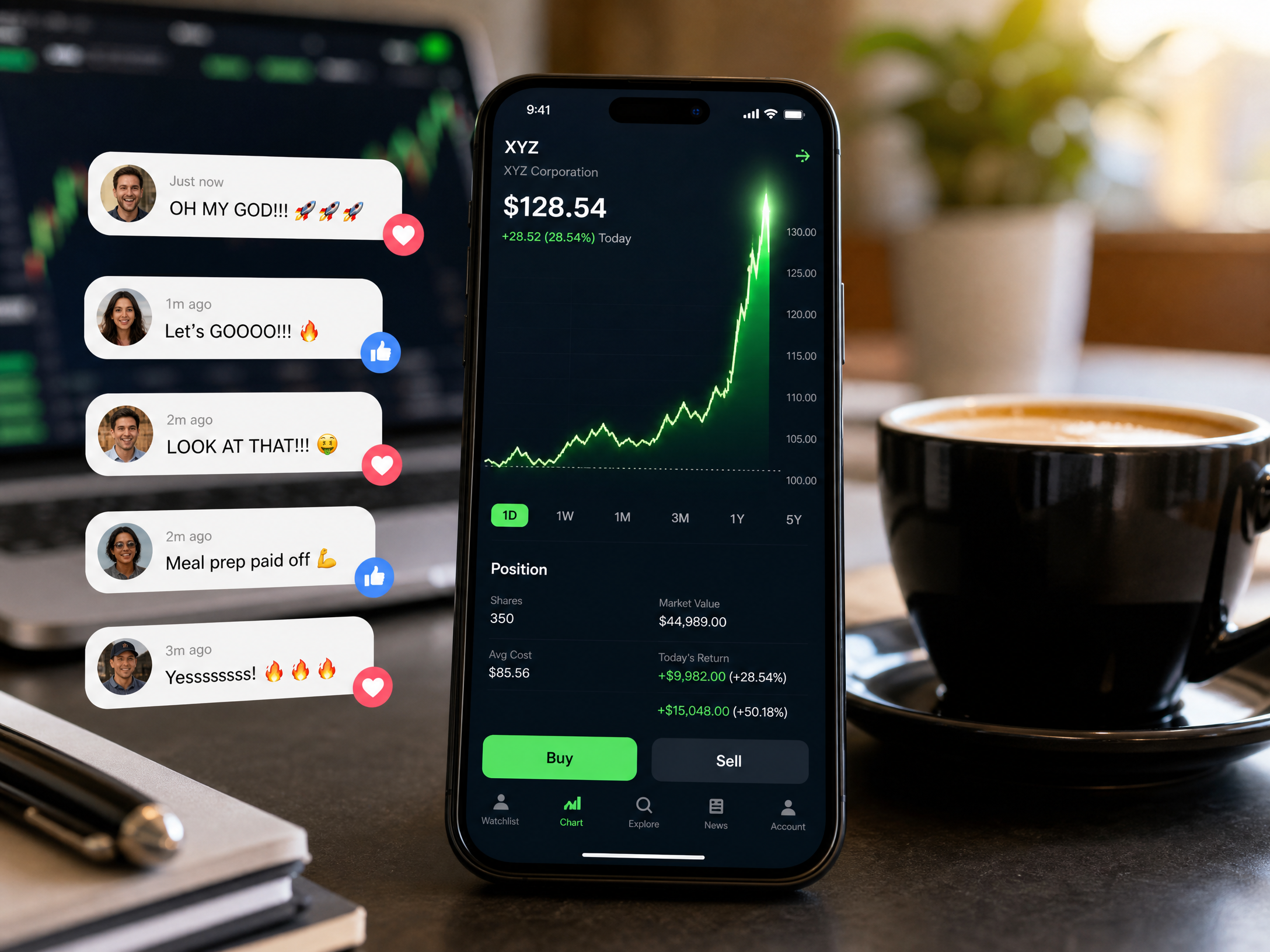
In June 2026, just as Wright and Cirulis were getting settled, something wild happened.
A viral post on Reddit’s r/WallStreetBets forum sparked a massive retail trading frenzy around Wendy’s stock. The stock price surged as much as 25 to 42 per cent in a single day, briefly triggering a volatility halt on the New York Stock Exchange 4.
Suddenly, everyone was talking about Wendy’s. People were calling it a “meme stock”.
But here is the reality check: the meme stock rally doesn’t actually fix Wendy’s problems.
As SUCCESS Magazine pointed out, “Retail enthusiasm doesn’t fix [the declining sales].” 4. A higher stock price today doesn’t bring a single customer back to the drive-thru tomorrow.
However, the frenzy did highlight something important: investor confidence in the new leadership team. Retail traders were betting on Bob Wright and Steve Cirulis, believing that this duo could replicate their Potbelly success on a much larger scale.⁸
The meme stock rally will eventually fade. The real test for Wendy’s will be what happens over the next four to eight quarters.
The Future: Will Project Fresh Work?
So, can this plan actually work?
I believe it can, but it is going to take time. Turnarounds in the restaurant industry rarely happen overnight.
Here is what I think needs to happen for Project Fresh to succeed:
- Stick to the Plan: They need to resist the temptation to launch massive, confusing promotions just to get a quick bump in Q4 sales. They need to focus on building long-term brand value.
- Improve the Drive-Thru: Wendy’s has always been a drive-thru-first brand. If the operations are slow, if the orders are wrong, or if the food quality is inconsistent, people will not come back.
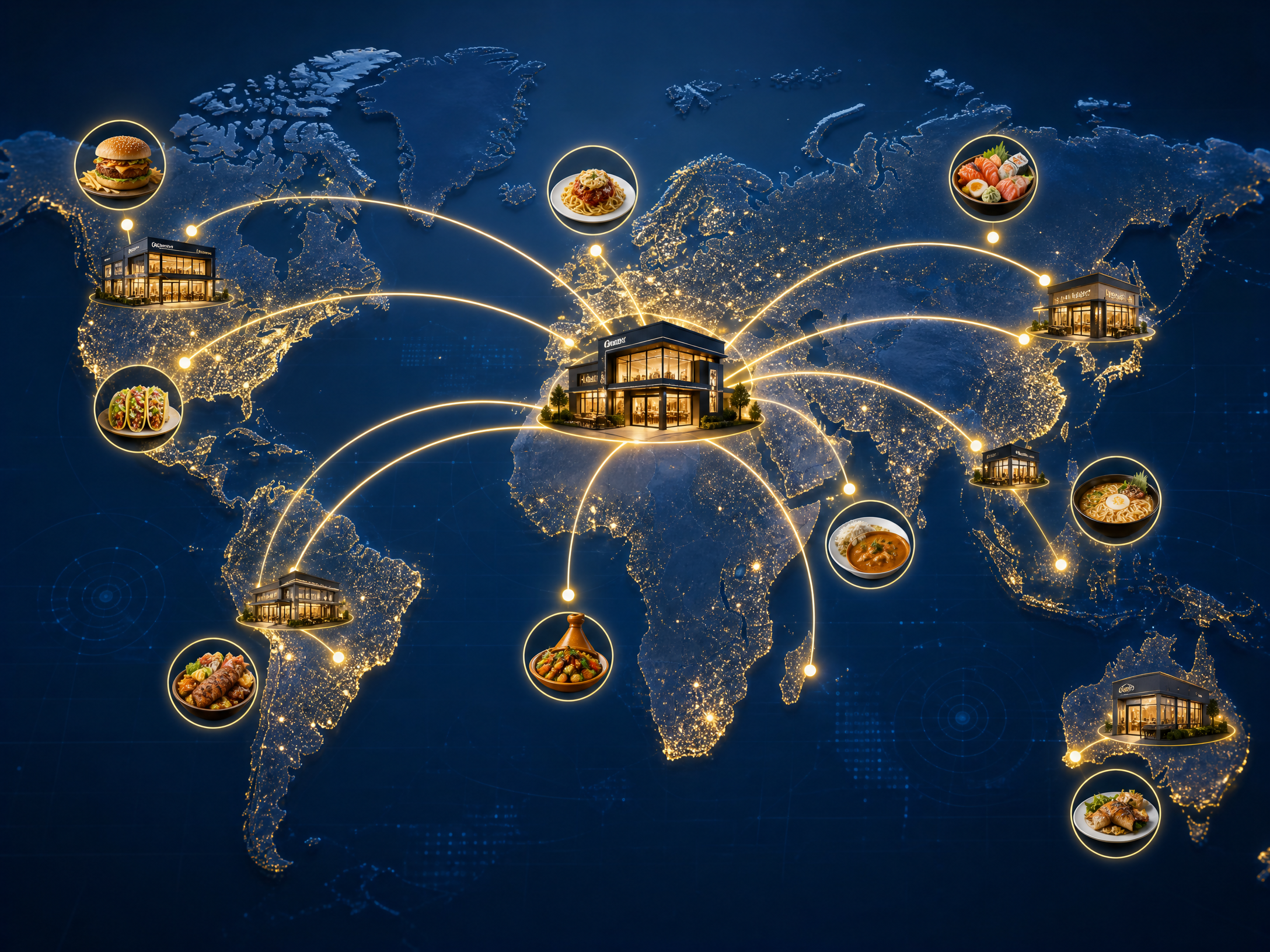
- Leverage International Growth: While the U.S. business is struggling, Wendy’s international sales grew by 8.6 per cent in Q3 2025.¹ They need to continue expanding globally to offset the domestic weakness.
- Execute Flawlessly: Wright and Cirulis have the roadmap. Now they have to execute it at a massive scale, across thousands of franchised locations.
Wendy’s has an advantage that many struggling brands do not: a core product (fresh, never frozen beef) that customers actually believe in. They also have a strong international presence and a new leadership team that have already proved they can turn a franchise around.
If they can stop the bleeding, close the bad stores, and refocus on the customer experience, I believe Wendy’s will bounce back.
But it requires discipline. It requires saying no to quick fixes. And it requires a leader who is willing to let the stock price take a hit in the short term to build a stronger company for the long term.
We will be watching closely.
The Activist Investor Factor: Nelson Peltz
We cannot talk about Wendy’s turnaround without talking about the elephant in the room: Nelson Peltz.
Peltz’s investment firm, Trian Fund Management, currently holds Wendy’s largest shareholder position, owning more than 30 million shares⁸. In May 2026, Reuters reported that Peltz was exploring raising capital to potentially take Wendy’s private.⁸
When an activist investor like Peltz gets involved, things usually get interesting. Peltz has a long history of shaking up corporate boardrooms and forcing management teams to make changes.
If Trian does decide to take Wendy’s private, it would completely change the company’s strategy. They would no longer have to worry about quarterly earnings reports or pleasing Wall Street. They could focus entirely on executing Project Fresh without the pressure of the public markets.
For a franchise brand, going private can be a blessing. It allows for long-term investments in technology, remodelling, and operational improvements without the immediate fear of a stock price drop.
I am not a financial advisor, and I do not know if Peltz will actually pull the trigger on a buyout. But the mere speculation of it gives investors hope. It suggests that someone who knows the restaurant industry inside and out believes Wendy’s is worth saving.
What This Means for Franchisees
Let’s shift gears for a moment and talk about the people who are actually running these restaurants: the franchisees.
When a corporate turnaround plan is announced, the franchisees are usually the ones left holding the bag. They are the ones who have to pay for the new technology, the remodels, and the increased training costs.
During Wendy’s Q3 2025 earnings call, executives mentioned that they reduced their growth capital by approximately $20 million to focus on average unit volumes. This means the corporate entity is spending less on opening new stores and more on making the existing stores profitable.
For franchisees, this is a mixed bag. On one hand, they are relieved that the company is focusing on their profitability rather than just trying to sell them more real estate. On the other hand, closing underperforming stores means that some franchisees will lose their businesses entirely.
I have spoken with several franchise owners who are nervous about the future. They are watching their margins get squeezed by inflation, and they are wondering if Project Fresh will actually deliver the promised results.
The success of Project Fresh ultimately depends on whether the corporate leadership can deliver value back to the franchisees. If they can increase average unit volumes and improve the drive-thru experience, the franchisees will be happy to invest in the system. If they fail, the relationship between the corporation and franchisees could turn toxic very quickly.
Conclusion: The Road Ahead for Wendy’s
Wendy’s is at a critical juncture. They have admitted their mistakes, they have launched a comprehensive turnaround plan, and they have brought in a leadership team with a proven track record of success.
Project Fresh is a solid, logical plan. It addresses the core issues of too many bad locations, poor operations, and a confused brand identity.
But execution is everything.
Bob Wright and Steve Cirulis know how to fix a restaurant brand. They did it at Potbelly. Now, they have to do it at a much larger scale, with thousands of franchised locations and a highly competitive market.
I am cautiously optimistic. I believe that Wendy’s has the product and the leadership to turn this around. But it is going to take time, discipline, and a relentless focus on the customer experience.
We will be watching closely to see if the new leadership can deliver on the promises of Project Fresh.
Frequently Asked Questions
What is Wendy’s Project Fresh?
Project Fresh is a strategic turnaround plan launched by Wendy’s in October 2025. The plan focuses on closing underperforming U.S. restaurants, improving operations and drive-thru efficiency, investing in technology, and rebuilding the brand’s value proposition to drive traffic and average unit volumes.
Why are Wendy’s closing so many stores?
Wendy’s is closing between 200 and 358 underperforming U.S. locations as part of a “system optimisation” strategy. The company is evaluating every restaurant to ensure it is financially viable and providing a good customer experience. Closing unprofitable stores allows the company to focus its capital on improving the remaining, stronger locations.
Who is the new CEO of Wendy’s?
In May 2026, Wendy’s appointed Bob Wright as their new president and CEO. Wright previously led a highly successful turnaround at Potbelly Sandwich Works alongside CFO Steve Cirulis, resulting in massive sales growth and a 500 per cent increase in share price.
Is Wendy’s stock a good buy right now?
I am not a financial advisor. However, Wendy’s stock recently experienced a massive rally due to Reddit trading and optimism surrounding the new leadership team. Despite the rally, the company’s underlying fundamentals, such as declining same-store sales, remain weak. The success of the turnaround will depend on the execution of Project Fresh over the next several quarters.
How is Wendy’s differentiating itself from McDonald’s and Burger King?
Wendy’s is leveraging its core advantage of “fresh, never frozen” beef. Under Project Fresh, they are working to rebuild the perceived value of their products, rather than relying on confusing promotions and discounts. They are also focusing on improving the drive-thru experience and operational consistency.