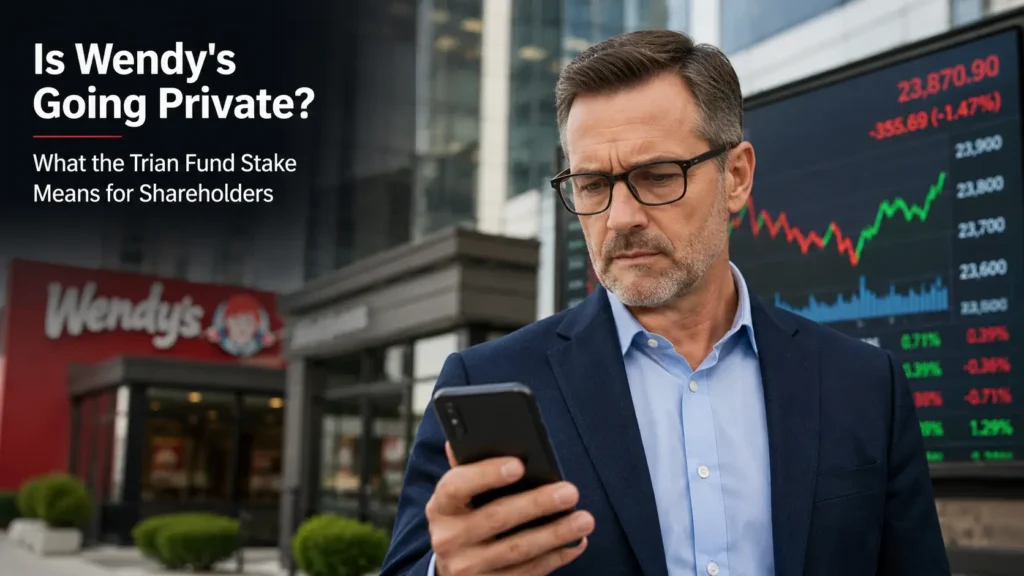
Hey everyone, it’s your favourite business owner here, diving into another fascinating corner of the stock market. Today, we’re tackling a juicy rumour that’s been swirling around one of America’s most iconic fast-food chains: Wendy’s (WEN). Specifically, we’re going to talk about the activist investor, Trian Fund Management, and their influential co-founder, Nelson Peltz, and what their moves could mean for ordinary shareholders like you and me. Is Wendy’s really going private? And if so, what does that even mean for your investment?
Investing in the stock market can sometimes feel like being a spectator at a high-stakes chess match. You see the big players making their moves, but the implications for the smaller pieces on the board aren’t always clear. This situation with Wendy’s and Trian Fund Management is a perfect example. It’s a story of corporate strategy, shareholder value, and the ever-present tension between short-term gains and long-term vision. And trust me, I’ve learned a thing or two about these high-stakes games the hard way.
My Own Brush with Corporate Maneuvers: The Startup Acquisition That Almost Wasn’t
Let me tell you about a personal failure that taught me a lot about the power dynamics in business. A few years back, I was involved with a promising tech startup. We had built a fantastic product, gained a loyal user base, and were on the cusp of securing a major acquisition offer from a larger company. It felt like a dream come true – years of hard work about to pay off.
However, just as the deal was nearing completion, a powerful, well-known venture capital firm, which held a significant but not controlling stake in our company, decided they wanted more. They believed the acquisition price was too low and started pushing for a higher valuation, even threatening to block the deal. Their argument was that they were protecting shareholder value, but for the founders and many early employees, it felt like they were jeopardising the entire acquisition for a bigger slice of the pie. The negotiations became incredibly tense, drawn-out, and frankly, ugly. The larger company almost walked away, and for a few agonising weeks, it looked like our dreams were going to crumble because of this power play.
Ultimately, a compromise was reached, and the acquisition went through, but at a lower price than initially offered and with a lot of bad blood. My failure was in not fully understanding the motivations and leverage of all the major stakeholders from the outset. I was so focused on building the product that I underestimated the financial manoeuvring that could happen behind the scenes. It taught me that when big money is involved, every move is calculated, and ordinary shareholders (or in my case, founders and employees) can sometimes be caught in the crossfire. This experience makes me look at the Wendy’s situation with a keen eye, understanding that there’s often more to these corporate sagas than meets the eye.
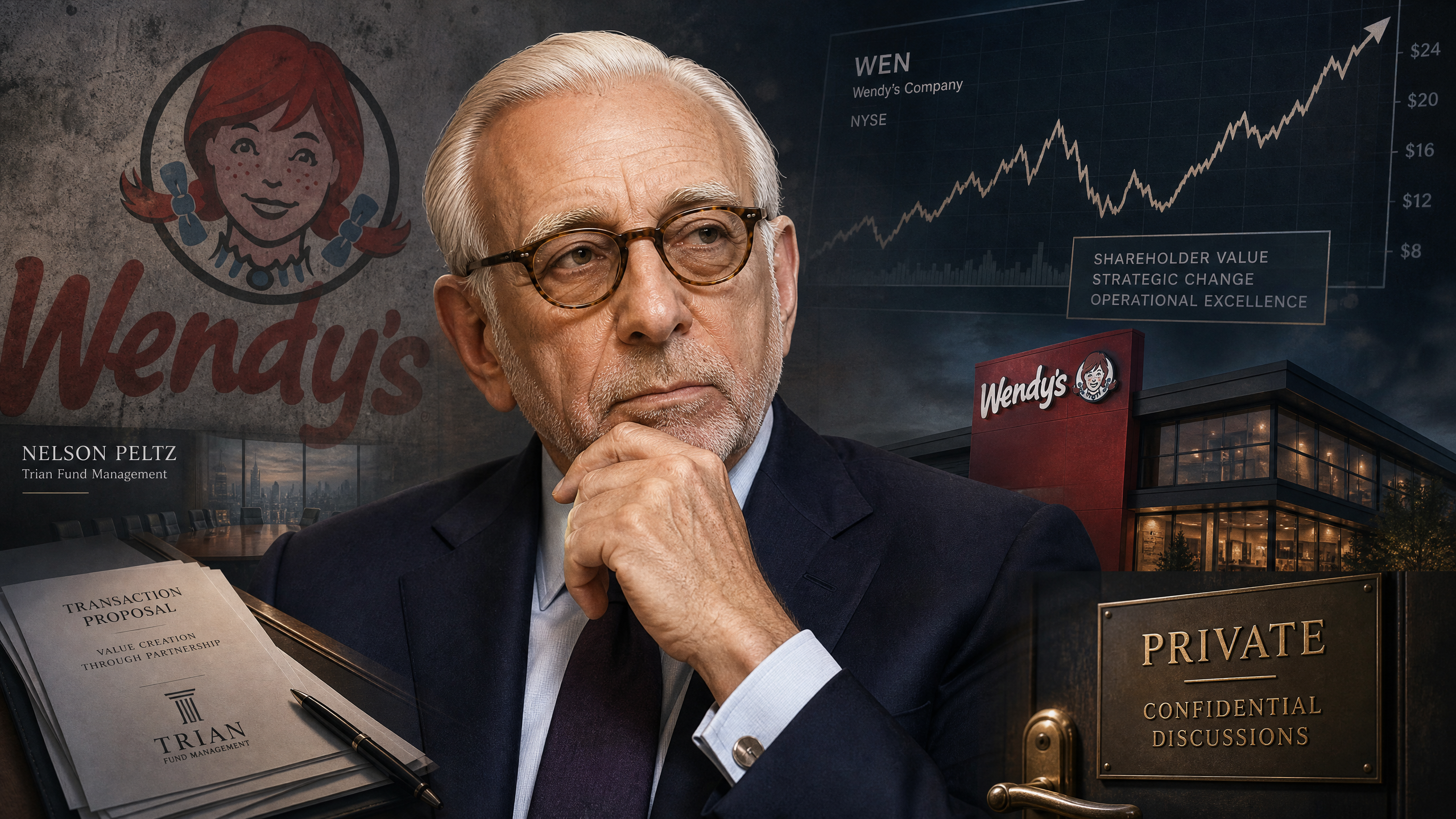
Who is Trian Fund Management and Nelson Peltz?
Before we dive into the nuances of Wendy’s potential privatisation, let’s get to know the main players. Trian Fund Management is an activist hedge fund co-founded by Nelson Peltz. If you follow corporate news, Peltz is a name you’ve likely heard. He’s known for taking significant stakes in companies he believes are undervalued or mismanaged, then pushing for strategic changes to unlock shareholder value. He’s not just a passive investor; he gets actively involved, often seeking board seats and advocating for operational improvements, divestitures, or even sales of companies.
Peltz and Trian have a long history with Wendy’s, dating back decades. They’ve been instrumental in shaping the company’s direction over the years, often pushing for changes that they believe would benefit shareholders. This isn’t their first rodeo with Wendy’s, and their deep understanding of the company, its operations, and its potential is a key factor in the current situation.
Trian’s Significant Stake in Wendy’s
As of early 2026, Nelson Peltz and his fellow Trian partner, Peter May, each own a substantial portion of Wendy’s shares, roughly 16% each. ² Trian Fund Management itself also holds a significant stake, reported at 7.85% in February 2026. ¹ This combined ownership gives them considerable influence over the company’s decisions. To put it simply, when Trian speaks, Wendy listens. Peter May and one of Peltz’s sons even sit on Wendy’s board of directors, giving them an insider’s view and a direct voice in strategic discussions. ²
This level of ownership and board representation is crucial. It means Trian isn’t just making suggestions from the sidelines; they are actively involved in governance and have the power to push for significant changes. Their recent filings with the SEC (specifically a Schedule 13D) explicitly stated their belief that Wendy’s stock is “undervalued” and that they are exploring various options, including a potential take-private bid.². This is where the rumours really started to heat up.
The “Going Private” Buzz: What’s the Deal?
So, what exactly does it mean for a publicly traded company like Wendy’s to “go private”? In simple terms, it means the company would be removed from the stock exchange (like the NASDAQ), and its shares would no longer be available for purchase by the general public. Instead, ownership would be concentrated in the hands of a smaller group of investors, in this case, Trian Fund Management and any partners they bring on board.
Why Would a Company Go Private?
There are several reasons why a company might choose or be pushed to go private:
- Escape Public Scrutiny: Public companies face intense pressure from shareholders, analysts, and the media to deliver quarterly results. Going private allows management to focus on long-term strategies without the constant short-term demands of the market.
- Flexibility for Restructuring: Major operational changes, cost-cutting measures, or strategic shifts can be easier to implement away from public view and shareholder dissent.
- Perceived Undervaluation: If a company’s stock is consistently trading below what its owners believe to be its true value, taking it private allows them to unlock that value without the market’s daily fluctuations.
- Reduced Costs: Being a public company comes with significant regulatory compliance costs, reporting requirements, and legal fees. Going private eliminates many of these expenses.
In Wendy’s case, the primary driver appears to be Trian’s belief that the company is undervalued. ² Despite its iconic brand, Wendy’s has been struggling with declining U.S. same-store sales and other challenges, leading to its stock trading at a discount compared to its peers like McDonald’s and Yum Brands. Peltz likely sees an opportunity to acquire the company at a relatively low price, implement changes, and then potentially re-list it publicly or sell it for a profit down the line.

What Does This Mean for Ordinary Shareholders?
This is the million-dollar question for anyone holding WEN stock. If Wendy’s were to go private, the most immediate and significant impact on ordinary shareholders would be the cash payout.
- Cash Payout: Typically, in a take-private deal, the acquiring entity (Trian and its partners) would offer to buy out all existing public shareholders at a specific price per share. This price is usually a premium over the stock’s trading price just before the announcement of the take-private bid. This premium is what makes such deals attractive to shareholders, as it offers an immediate, often higher, return on their investment.²
- Loss of Public Trading: Once the deal closes, your shares would be converted into cash, and you would no longer own a piece of the publicly traded Wendy’s. The stock would be delisted, meaning you couldn’t buy or sell it on the open market anymore.
- End of Dividends: For investors who hold WEN for its dividend (which has been a pretty decent 6.91% forward annual rate), going private would mean the end of those quarterly payouts. This is a significant consideration for income-focused investors.
- No Future Upside (as a public shareholder): While you get a premium on your shares, you also lose out on any potential future growth or recovery the company might experience once it’s private. The idea is that Trian believes they can unlock more value than the public market currently recognises, and they want to capture that value for themselves and their co-investors.
From my perspective as a business owner, this is a classic scenario where a large, influential investor sees value that the broader market isn’t appreciating. They’re willing to put in the capital and effort to make the necessary changes, but they want to reap the full rewards. For ordinary shareholders, it’s a trade-off: a guaranteed, immediate return (with a premium) versus the potential for long-term growth that you would no longer be a part of.
The Timeline and Likelihood of a Deal
It’s important to remember that discussions about taking a company private can be complex and lengthy. While Trian has been actively seeking funding and exploring options, there’s no guarantee that a deal will materialise. 3.
- May 2026 Reports: News broke in May 2026 that Trian was actively talking to outside investors, including those in the Middle East, to secure financing for a potential takeover 1. This indicates serious intent.
- Wendy’s Response: Wendy’s management has stated that its board would review any proposal from Trian Partners in line with its fiduciary duties. ¹ This is standard corporate speak, essentially saying they’ll consider it if it’s a good deal for all shareholders.
- Past Attempts: This isn’t the first time Peltz has considered taking Wendy’s private. He explored a similar bid in 2022 but ultimately opted for a larger dividend and corporate reorganisation instead. ³ The fact that he’s revisiting the idea suggests the underlying issues he identified haven’t been fully resolved, or the current market conditions make a take-private deal more appealing.
The likelihood of a deal depends on several factors:
- Financing: Can Trian secure enough funding from co-investors to make a compelling offer?
- Valuation: Can they agree on a price that is attractive enough for Wendy’s board and shareholders to accept, while still being profitable for Trian?
- Market Conditions: The broader economic climate and interest rates can impact the feasibility and attractiveness of such a large transaction.
For now, it’s a waiting game. The rumours alone caused Wendy’s stock to jump significantly, indicating that the market sees value in the possibility of a take-private deal.² This initial surge often reflects the anticipated premium that would be offered to shareholders.
Why Wendy’s is an Attractive Target for Privatization
Despite its recent struggles, Wendy’s possesses several characteristics that make it an appealing target for a private equity firm like Trian:
- Strong Brand Recognition: Wendy’s is a household name with a long history and a loyal customer base. This brand equity is a valuable asset that can be leveraged.
- Franchise Model: A significant portion of Wendy’s restaurants are franchised. This asset-light model generates stable royalty and fee income, which can be attractive to private investors looking for consistent cash flow.
- Real Estate Holdings: Like many established fast-food chains, Wendy’s owns valuable real estate, which can be a source of capital or collateral for financing a deal.
- Turnaround Potential: Trian likely believes that by taking the company private, they can implement more aggressive operational changes, cost efficiencies, and strategic initiatives (like the “Project Fresh” turnaround plan and international expansion) away from public scrutiny, ultimately improving profitability and value. ¹.
- Undervalued Stock: As Peltz himself has stated, he believes the stock is undervalued compared to its intrinsic worth and its peers.² This gap between market price and perceived value is the sweet spot for activist investors.
My own experience has shown me that sometimes, a business just needs a different kind of ownership to thrive. When you’re constantly answering to the public market, it can be hard to make the tough, long-term decisions that might temporarily hurt quarterly earnings but are essential for sustained growth. Going private can provide that breathing room.
The Broader Implications for the Fast-Food Industry
The Wendy’s situation isn’t happening in a vacuum. The fast-food industry as a whole is facing significant headwinds, including rising commodity costs, labour inflation, and shifting consumer preferences.¹ We’ve seen other major players like Papa John’s and Pizza Hut also exploring sales or new ownership due to these pressures.¹
This trend suggests that the industry might be ripe for consolidation or significant restructuring. Companies that can’t adapt quickly enough to the new economic realities and consumer demands might find themselves targets for activist investors or private equity firms looking to unlock value. For investors, this means paying close attention to a company’s ability to innovate, manage costs, and maintain brand relevance in a highly competitive and evolving market.
What Should Ordinary Shareholders Do Now?
If you’re an ordinary shareholder of WEN, here’s my take on how to approach this situation:
- Stay Informed: Keep a close eye on news from Wendy’s Investor Relations, SEC filings from Trian, and reputable financial news outlets. Any official announcements regarding a take-private bid will be critical.
- Understand the Terms: If a formal offer is made, carefully review the proposed price per share and any other terms. Compare it to the current market price and your own entry price.
- Evaluate Your Investment Goals: Are you a long-term investor focused on dividends and slow growth, or are you looking for a quick return? A take-private deal offers a definitive exit point, which might align with some investors’ goals.
- Consider the Opportunity Cost: If you receive a cash payout, where will you reinvest that money? Think about alternative investment opportunities that align with your risk tolerance and financial objectives.
- Don’t Panic Sell (or Buy): Avoid making impulsive decisions based on rumours. The stock price can be volatile during such periods. Base your decisions on solid information and your personal financial strategy.
Conclusion: A Potential New Chapter for Wendy’s
The possibility of Wendy’s going private under the influence of Trian Fund Management marks a potentially significant new chapter for the fast-food giant. For Nelson Peltz, it’s an opportunity to implement his vision for the company away from the pressures of the public market, aiming to unlock what he believes is its true, undervalued potential.
For ordinary shareholders, it presents a clear, albeit potentially forced, exit strategy. While the loss of a publicly traded stock and its dividends might be a downside for some, the premium offered in a take-private deal can be an attractive proposition. It’s a reminder that in the world of investing, change is constant, and understanding the motivations of major players is just as important as analysing financial statements.
Ultimately, whether Wendy’s goes private or not, this saga highlights the dynamic nature of corporate finance and the ongoing efforts to maximise shareholder value. As business owners and investors, we must remain vigilant, informed, and ready to adapt to these shifts. The future of Wendy’s, whether public or private, will certainly be one to watch.
References
The Nuances of a Take-Private Price: What Determines the Premium?
When a company goes private, the price offered to shareholders is rarely just the current market price. There’s almost always a premium involved. But how is this premium determined, and what factors influence its size? This is where the art and science of corporate finance truly come into play.
Firstly, the premium reflects the acquiring entity’s (in this case, Trian and its partners) assessment of the company’s intrinsic value. If they believe Wendy’s is fundamentally worth more than its current stock price suggests, they’ll be willing to pay above market to acquire it. This intrinsic value calculation considers future earnings potential, asset values (like real estate and brand equity), and the benefits of operational changes they plan to implement without public market pressures.
Secondly, the premium is also a function of negotiation. Wendy’s board of directors has a fiduciary duty to act in the best interests of all shareholders. They will likely engage independent financial advisors to evaluate any offer and ensure it represents fair value. This negotiation process can be intense, with Trian pushing for the lowest possible price and the board advocating for the highest. The outcome often depends on the board’s leverage, the availability of alternative buyers, and the overall market conditions.
Thirdly, the market sentiment around the company plays a role. If Wendy’s stock has been consistently underperforming and the market has lost confidence in its public trajectory, a take-private offer might be viewed more favourably, even with a modest premium. Conversely, if the company were showing strong signs of a turnaround, the board might demand a much higher premium or reject the offer altogether, believing the public market would eventually recognise the value.
For ordinary shareholders, understanding these dynamics is crucial. The premium isn’t just a gift; it’s a reflection of complex financial calculations and strategic positioning. It’s the price the acquirer is willing to pay to gain full control and execute their vision, free from the quarterly demands of public ownership. My own experience with the startup acquisition taught me that even when a deal seems imminent, the final price can be heavily influenced by these behind-the-scenes negotiations and the perceived leverage of each party. It’s a reminder that the market isn’t always efficient, and sometimes, private hands see value where public eyes might miss it.
The Post-Privatisation Playbook: What Happens Next?
If Wendy’s does go private, what would Trian and its partners likely do? Their playbook typically involves a few key strategies aimed at maximising value:
- Operational Overhaul: Without the pressure of quarterly earnings reports, management can make bolder, longer-term decisions. This might include significant cost-cutting measures, aggressive menu innovation, or a complete restructuring of the supply chain. The goal is to improve efficiency and profitability, even if it means short-term disruption.
- Strategic Investments: Private ownership can allow for substantial investments in areas like technology (e.g., AI-powered ordering and mobile apps), store remodels, or international expansion, which might be harder to justify to public shareholders demanding immediate returns.
- Debt Restructuring: Private equity firms often use significant debt to finance take-private deals. They then work to improve the company’s cash flow and profitability to pay down this debt, increasing the equity value over time.
- Talent Acquisition and Retention: They might bring in new leadership or incentivise existing management with equity stakes to align their interests with the new owners.
- Eventual Exit: The ultimate goal of most private equity firms is to eventually exit their investment, typically through another public offering (re-listing the company on the stock exchange) or by selling it to another strategic buyer. This exit would ideally happen at a much higher valuation than the take-private price, generating substantial returns for Trian and its co-investors.
This is the long game that activist investors like Peltz play. They identify undervalued assets, take them private, fix them up, and then sell them for a profit. For Wendy’s, this could mean a period of intense change and transformation, potentially leading to a stronger, more profitable company in the long run. However, it also means that ordinary shareholders would have cashed out before realising these potential future gains.
The Fast-Food Landscape: A Broader Context for Wendy’s Situation
Wendy’s potential privatisation isn’t an isolated event; it’s part of a larger narrative unfolding in the fast-food industry. The sector is currently grappling with a confluence of challenges that are reshaping its future:
- Inflationary Pressures: As discussed in my previous post, rising costs for ingredients, labour, and energy are eating into margins across the board. This forces companies to either raise prices (risking customer backlash) or absorb costs (impacting profitability). Private ownership can offer more flexibility in navigating these pressures without immediate public market scrutiny.
- Shifting Consumer Demands: Consumers are increasingly demanding healthier options, sustainable practices, and personalised experiences. Fast-food chains are under pressure to innovate their menus and operations to meet these evolving tastes, a process that requires significant investment and time.
- Technological Transformation: The rise of digital ordering, delivery services, and AI-driven operations is fundamentally changing how fast food operates. Companies that fail to invest in these areas risk falling behind. Private capital can accelerate these technological transformations.
- Intense Competition: The market is saturated with options, from traditional fast-food giants to fast-casual upstarts and ghost kitchens. Every brand is fighting for market share, making it difficult to achieve significant organic growth.
In this challenging environment, some publicly traded fast-food companies might find themselves struggling to meet investor expectations while simultaneously investing in necessary long-term changes. This creates opportunities for private equity firms to step in, take the company private, and implement the necessary (and sometimes unpopular) changes away from the public eye. It’s a trend that highlights the increasing pressure on public companies in mature industries to deliver consistent growth.
For ordinary shareholders, this means that even if Wendy’s doesn’t go private, the industry dynamics will continue to influence its performance. Diversification and a keen understanding of sector-specific challenges are more important than ever. The fast-food industry is not for the faint of heart, and only the most adaptable and strategically sound companies will thrive in the coming years.