Credit card debt weighs down millions of Americans, but you don’t have to stay stuck in the cycle of minimum payments and mounting interest charges. This guide is for anyone carrying credit card debt who wants practical, stress-free strategies to pay off credit card debt fast in 2026.
Getting out of debt doesn’t require extreme sacrifices or complicated financial maneuvers. With the right approach, you can tackle your balances systematically and see real progress within months. The key is choosing a debt payoff strategy that fits your personality and financial situation, then maximizing every dollar toward debt reduction.
We’ll walk through proven strategies like the debt snowball and debt avalanche methods to help you prioritize which cards to pay off first. You’ll also discover how consolidating your debt can slash your interest rates and simplify your payments. Finally, we’ll show you simple ways to free up extra money in your budget so you can accelerate your debt payments without feeling deprived.
Ready to take control of your financial future? Let’s dive into these actionable strategies that can help you become debt-free faster than you think.
Choose the Right Debt Payoff Strategy

Target High-Interest Cards First to Save Money
The most mathematically sound approach to paying off credit card debt fast is the avalanche method, which focuses on eliminating your highest interest rate balances first. This debt avalanche strategy works by having you make minimum payments on all your credit cards while directing every extra dollar toward the card charging the most interest.
According to recent Federal Reserve data, credit card interest rates average 21.76%, making high-interest debt incredibly expensive over time. By targeting these costly balances first, you minimize the total interest you’ll pay throughout your debt elimination journey. The avalanche method is particularly effective for those motivated by saving as much money as possible rather than seeking quick psychological wins.
Here’s how to implement this strategy effectively:
- List all your credit cards with their current balances and interest rates
- Arrange them from highest to lowest interest rate
- Pay minimums on all cards except the highest rate card
- Apply every extra dollar to the highest interest rate balance
- Once paid off, move to the card with the next highest rate
The primary advantage of this approach is that it mathematically reduces your total debt cost over time. However, one drawback is that it could take longer to pay off your first balance if your highest-interest card also has a large balance, potentially making it harder to feel like you’re truly accomplishing something in the early stages.
Use the Snowball Method for Psychological Wins
The snowball method offers a different approach that prioritizes psychological motivation over mathematical optimization. This strategy focuses on paying off your smallest credit card balance first, regardless of interest rates, creating momentum through “little wins” along your debt payoff journey.
With the snowball method, you make minimum payments on all credit card bills except the one with the lowest balance. You put as much money as possible toward eliminating that smallest debt first. When that card is paid off, you take the money you were applying to that balance and add it to the payment you’re making on the next smallest balance. You repeat this process until all credit card balances are eliminated.
This approach works particularly well because it addresses one of the biggest challenges of paying down debt: the feeling that you’re stuck in financial quicksand. With so much of your payments going toward interest, it’s easy to lose motivation. By eliminating some small debts quickly, you see tangible results fastest, and receiving one fewer monthly bill each month can be especially rewarding.
The snowball method also offers flexibility in your debt attack strategy. You can pay more during good financial months (like when you receive a birthday check) or scale back during challenging times (like unexpected car repairs) while maintaining your overall momentum.
However, the biggest risk to this approach is that your most expensive debt with the highest interest rate might receive minimal attention, potentially leading to higher total debt costs over time compared to the avalanche method.
Always Pay More Than the Minimum Required
Regardless of which debt payoff strategy you choose, paying more than the minimum required payment is crucial for eliminating credit card debt fast. Credit card companies are required to show on your statement how long it takes to pay off your balance making only minimum payments versus paying additional amounts.
When you pay more than the minimum, you’ll pay significantly less in interest overall. Every additional dollar you pay goes directly toward reducing your balance, and the smaller your balance becomes, the less you pay in interest charges going forward.
To maximize your debt reduction efforts:
- Pay as much above the minimum as possible to chip away at balances faster
- Pay your bill immediately when you receive it to reduce interest charges
- Apply any extra money from raises, bonuses, or financial windfalls directly to debt reduction
- Use the money freed up from paid-off cards to attack remaining balances more aggressively
The key insight is that minimum payments are designed to keep you in debt longer, maximizing the credit card company’s profit from interest charges. By consistently paying more than required, you take control of your financial situation and accelerate your path to becoming debt-free without the stress of prolonged monthly payments.
Consolidate Your Debt for Better Interest Rates
Transfer Balances to Lower-Rate Cards
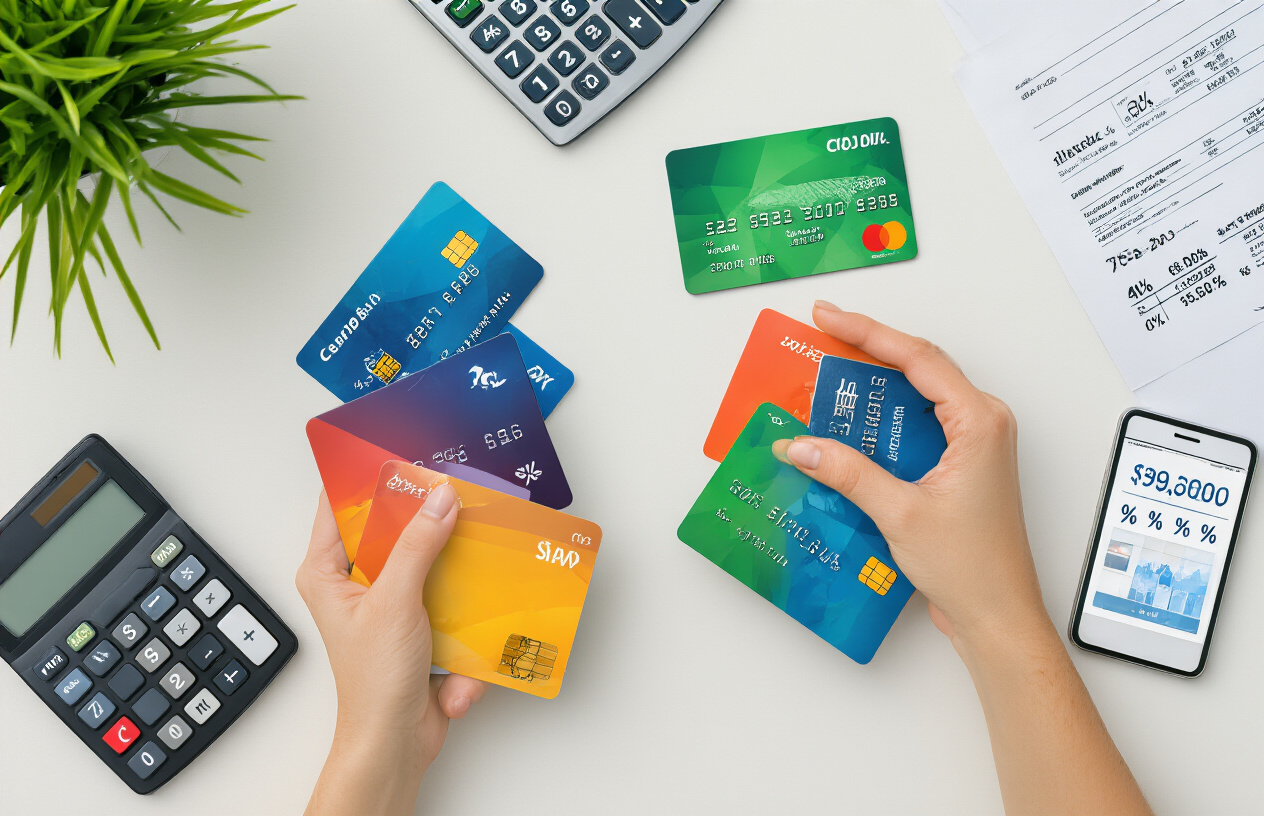
Balance transfers offer one of the most effective strategies to reduce your interest burden when tackling credit card debt. With this consolidation method, you can use the available credit on a lower-rate credit card to pay off higher-interest debts from other cards. The consolidated debt amount gets added to your new credit card balance, but the key advantage lies in securing a lower promotional APR for a set period.
When you complete a balance transfer, you could save significant money through low promotional APRs that many credit card companies offer new customers. These promotional rates typically last between 12-21 months, giving you a window to pay down your debt faster without the burden of high interest rates. During this promotional period, more of your payment goes toward the principal balance rather than interest charges.
The streamlined payment process is another major benefit of balance transfers. Instead of managing multiple credit card payments with varying due dates and interest rates, you’ll have just one payment to track. This simplification reduces the risk of missed payments and helps you maintain better control over your debt repayment strategy.
Tap Into Home Equity for Better Rates
For homeowners looking to consolidate debt at significantly lower interest rates, home equity presents a powerful option. Home equity loans and lines of credit typically offer much lower rates compared to credit cards because your home serves as collateral for the loan. This secured nature allows lenders to provide more favorable terms.
The interest rate advantages can be substantial. Where credit cards might charge 18-25% APR, home equity loans often provide rates in the single digits, depending on current market conditions and your creditworthiness. This dramatic difference in interest rates means more of your monthly payment goes toward reducing the actual debt rather than paying interest charges.
Home equity consolidation also provides access to larger loan amounts, potentially allowing you to pay off all your high-interest debt at once. The repayment terms are typically longer than personal loans, which can result in lower monthly payments that fit more comfortably into your budget while you work toward becoming debt-free.
Control Spending After Consolidating
Now that we’ve covered the consolidation options, the critical next step involves maintaining discipline with your spending habits. Debt consolidation creates breathing room through lower interest rates and simplified payments, but it doesn’t eliminate the underlying spending behaviors that created the debt initially.
After consolidating your debt, resist the temptation to use your newly available credit card limits. Many people fall into the trap of viewing their cleared credit cards as “extra money” rather than recognizing them as debt that was simply moved elsewhere. Creating a strict budget and sticking to it becomes essential for long-term financial success.
Consider implementing automated systems to prevent overspending. Set up automatic transfers to savings accounts immediately after receiving income, and use budgeting apps to track your expenses in real-time. Some people find success by temporarily removing credit cards from their wallets or freezing them to create a barrier against impulse purchases.
Establish clear financial goals beyond just paying off the consolidated debt. Whether you’re building an emergency fund, saving for a major purchase, or planning for retirement, having specific objectives helps maintain focus and prevents backsliding into old spending patterns. Regular monitoring of your progress through monthly budget reviews and debt tracking keeps you accountable to your financial goals and ensures the consolidation strategy delivers the intended results.
Free Up Extra Money for Debt Payments

Create a Budget and Track Monthly Expenses
The foundation of freeing up extra money for debt payments starts with understanding exactly where your money goes each month. Creating a comprehensive budget serves as your financial game plan, providing the insight needed to develop strategies for making debt payments on time while reducing the interest you pay over the long term.
Begin by calculating your after-tax income from all sources, including your primary job, overtime, freelance work, and any interest earned on investments. This gives you a clear picture of how much money you have available to allocate toward expenses and debt payments.
Next, make a detailed list of all your bills, loan payments, and typical monthly expenses. Review this list carefully and rank each item according to its importance. Essential living expenses like housing, utilities, and minimum debt payments should rank above discretionary spending such as entertainment and vacation travel. This prioritization exercise reveals where you have flexibility in your spending.
Digital tools can significantly simplify the budgeting and expense tracking process. Mobile banking apps allow you to check account balances in real time and track expenses on the go, helping you stay connected to your finances. Online banking platforms enable you to schedule automatic payments, ensuring debts are paid early in the month before you’re tempted to spend on lower-priority items. Budget-focused apps with expense tracking capabilities let you capture and file receipts quickly, providing easy-to-read charts and graphics that give you a visual summary of your financial data.
Cut Non-Essential Spending Categories
Now that you have a clear picture of your spending patterns, it’s time to identify areas where you can reduce expenses to carve out a larger portion of your budget for debt payments. Depending on your outstanding debt amount, you can cut or reduce expenses like restaurant meals, subscription services, or tickets to sporting events.
Rather than eliminating all discretionary spending, consider implementing more cost-effective strategies. Buy frequently used items in bulk at a discount, wait for sales on furniture or clothing, or find creative ways to enjoy entertainment at lower costs. These adjustments help you maintain some quality of life while redirecting funds toward debt reduction.
Look for savings opportunities in essential expenses as well. Lower your commuting costs by carpooling, taking public transportation, or splitting ride-share services. These small changes can add up to significant monthly savings that can be applied directly to your debt payments.
After making these spending adjustments, recalculate your budget to determine how much money you’ll have left at the end of each month. Strive to allocate 5-10% of these leftover funds specifically toward paying down your debt, while still maintaining some savings for emergencies.
Use Cash Instead of Credit Cards
One of the most effective strategies for controlling spending and avoiding additional debt is transitioning to cash-based transactions. When you use cash instead of credit cards, you create a natural spending limit that prevents you from accumulating more debt while you’re working to pay off existing balances.
Using cash helps you stay more conscious of your spending decisions. Unlike credit card transactions that feel abstract, physically handing over cash creates an immediate awareness of the cost, making you more likely to question whether purchases are truly necessary. This psychological barrier can significantly reduce impulse buying and help you stick to your budget.
If you continue using credit cards after paying them off, make sure to pay your balance in full every month to avoid falling back into the debt cycle. However, during your active debt payoff phase, limiting credit card usage prevents you from working against your progress by adding new balances while trying to eliminate existing ones.
Monitor your bank balances frequently through mobile banking apps to ensure you haven’t missed any bills and are staying within your cash spending limits. If unexpected expenses arise that stretch your budget, such as emergency car repairs or HVAC breakdowns, add these one-time costs into your budget calculations and adjust your spending accordingly. The key is maintaining organized tracking of all expenses to ensure your debt payoff strategies remain on track.
Maximize Every Dollar Toward Debt Reduction
Apply Financial Windfalls to Your Balance
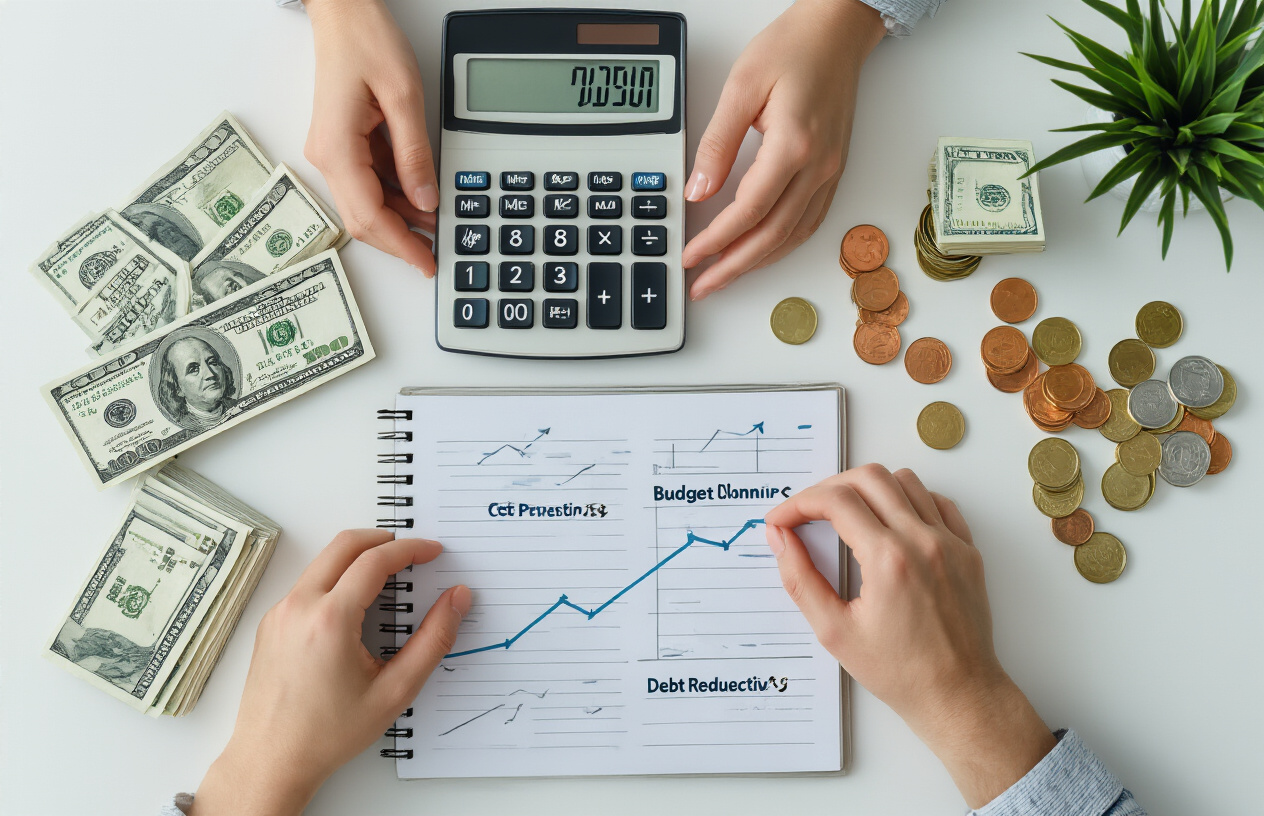
Previously, we’ve discussed various debt payoff strategies and consolidation options. Now that we have covered the foundational approaches, it’s crucial to understand how to maximize every dollar you receive beyond your regular income. Financial windfalls represent golden opportunities to accelerate your debt elimination timeline significantly.
When you receive unexpected money – whether it’s a tax refund, work bonus, inheritance, or even cash gifts from family members – your first instinct might be to spend it on something enjoyable. However, applying these windfalls directly to your credit card debt can create substantial momentum in your debt payoff journey. The impact is particularly powerful because these payments go directly toward your principal balance, reducing the amount of interest you’ll pay over time.
Consider implementing a systematic approach to windfall allocation. When you receive any unexpected income, immediately designate a specific percentage toward debt reduction – many financial experts recommend at least 75% of any windfall should go directly to debt payments. This strategy ensures you maintain motivation by allowing some personal enjoyment while maximizing debt reduction benefits.
The psychological effect of making large payments cannot be understated. Seeing your balance drop dramatically from a single payment creates positive momentum and reinforces your commitment to becoming debt-free. This emotional boost often translates into better financial habits and increased determination to find additional ways to pay down debt faster.
Use Savings to Pay Down Debt Faster
With this in mind, next we’ll explore one of the most debated financial strategies – using your emergency fund or savings to pay down high-interest credit card debt. While conventional wisdom suggests maintaining an emergency fund, the mathematics often favor paying off debt with interest rates exceeding 15-20% annually.
Before implementing this strategy, carefully evaluate your personal situation. If you have adequate insurance coverage – including homeowners, renters, automobile, and adequate health insurance – you may be able to safely reduce your emergency fund temporarily. The reference content emphasizes that insurance can help keep you out of debt by covering unexpected expenses that might otherwise force you to rely on credit cards.
Calculate the true cost of carrying debt versus the opportunity cost of your savings. If your savings account earns 2% annually while your credit card charges 24% interest, you’re effectively losing 22% by maintaining excessive cash reserves. However, maintain at least a minimal emergency buffer – perhaps one month of expenses – to avoid creating new debt during the payoff process.
Consider a hybrid approach where you use a portion of your savings for debt reduction while simultaneously building your emergency fund back up through the monthly payments you’ll save from eliminated debt. This strategy provides both immediate debt relief and long-term financial security.
Freeze High-Interest Credit Cards Temporarily
Now that we have covered windfall applications and savings utilization, the next critical step involves removing temptation entirely. Temporarily freezing your high-interest credit cards – either literally by placing them in ice or metaphorically by removing them from your wallet and online accounts – prevents impulsive spending that could undermine your debt reduction efforts.
The reference content strongly emphasizes that the first step in debt management is to stop incurring more debt. This principle becomes especially important when you’re actively working to pay off existing balances. Every new purchase extends your payoff timeline and increases the total interest you’ll pay.
Implement practical barriers to credit card usage. Remove stored payment information from online shopping accounts, uninstall shopping apps from your phone, and consider asking your credit card company to temporarily lower your credit limits. These friction points create natural pauses that allow rational thinking to override impulse purchases.
During this freezing period, rely exclusively on cash or debit cards for purchases. This approach forces you to spend only money you actually have and creates heightened awareness of your spending patterns. Many people discover they spend significantly less when using cash compared to credit cards.
Consider informing trusted family members or friends about your decision to freeze credit card usage. This accountability measure provides additional motivation to stick with your plan and creates a support system during challenging moments when temptation strikes.
The temporary nature of this freeze is important – you’re not permanently eliminating credit cards, just creating space to focus entirely on debt elimination without the distraction of new purchases. Once you’ve successfully paid off your high-interest debt, you can gradually reintroduce credit cards with better spending habits and stricter budgeting controls.
Consider Advanced Debt Elimination Options

Cash-Out Refinance Your Mortgage
Now that we have covered basic debt consolidation strategies, let’s explore a more advanced approach that homeowners can leverage. A cash-out refinance allows you to tap into your home’s equity to pay off high-interest credit card debt. This strategy works by refinancing your current mortgage for more than you owe and taking the difference in cash.
The primary advantage of this approach lies in the significant interest rate difference. While credit card debt typically carries interest rates between 18-29%, mortgage rates are substantially lower. By converting high-interest credit card debt into lower-interest mortgage debt, you can dramatically reduce your monthly payment obligations and overall interest costs.
However, this strategy requires careful consideration. You’re essentially converting unsecured debt into secured debt, meaning your home now serves as collateral. This approach works best when you have substantial equity in your home and can secure a favorable mortgage interest rate that’s significantly lower than your current credit card rates.
Consolidate Multiple Debts Into One Payment
Previously, we’ve discussed individual debt elimination methods, but consolidating multiple debts into a single payment can streamline your debt management process. Debt consolidation involves paying off multiple debt balances using funds from a new loan, ideally at a lower interest rate.
This strategy proves most effective when you can secure a consolidation loan with better terms than your existing debts. Rather than juggling multiple credit card payments with varying interest rates and due dates, you’ll have one monthly payment to manage. This simplified approach reduces the likelihood of missed payments and helps you maintain better control over your financial obligations.
When considering debt consolidation, focus on securing the lowest possible interest rate. The reference material emphasizes that this approach works best when you can obtain a loan at a lower interest rate than your current debts. Otherwise, you’re simply moving debt from one place to another without meaningful financial benefit.
Be cautious when evaluating consolidation offers. Research companies thoroughly to ensure their legitimacy, and choose options that genuinely improve your financial situation rather than just providing temporary relief.
Pay Off Lowest Balance Cards for Quick Wins
With this in mind, next, we’ll examine the debt snowball method, which prioritizes psychological motivation over mathematical optimization. This approach focuses on paying off your smallest debt balances first while making minimum payments on larger debts.
The snowball method creates momentum through quick victories. By eliminating smaller debts relatively quickly, you experience a sense of progress and accomplishment that helps maintain motivation throughout your debt elimination journey. This psychological boost proves invaluable for individuals who struggle with staying committed to long-term financial goals.
To implement this strategy effectively, list your debts from smallest to largest amount. Make minimum payments on each debt except the smallest one, then channel all extra money toward eliminating that smallest balance. Once you’ve paid off the smallest debt, move to the next smallest balance and repeat the process.
While this method may not minimize total interest costs as effectively as the avalanche method, it addresses a crucial factor in debt elimination: human psychology. Many people find the motivation gained from quick wins more valuable than the mathematical advantages of other approaches.
The key to success with this method lies in maintaining discipline after each victory. Rather than using the freed-up money for other expenses, immediately redirect those funds toward your next smallest debt. This creates the “snowball effect” where your debt elimination efforts gain momentum over time.
Consider this approach particularly if you’ve struggled with motivation in previous debt elimination attempts or if you have several small balances that you can eliminate within a few months of focused effort.

Paying off credit card debt doesn’t have to be overwhelming when you have the right strategies in place. Whether you choose the high-rate method to minimize interest payments, the snowball approach for psychological wins, or debt consolidation for better rates, the key is developing a plan and sticking to it. Remember that every dollar you pay above the minimum goes directly toward reducing your balance, which means less interest paid overall.
Start by freeing up extra money through budgeting and cutting unnecessary expenses, then channel those funds toward your debt elimination strategy. Consider advanced options like balance transfers or tapping into home equity if they make financial sense for your situation. With consistent effort and the right approach, you can pay off your credit card debt faster than you might think possible. Take action today by choosing the strategy that works best for your financial situation and commit to becoming debt-free in 2026.