Picture this you just got your salary credited to your account, & within two weeks, you’re wondering where all the money vanished. Sound familiar? You’re definitely not alone in this struggle. Millions of Indians face the same challenge every single month, watching their hard earned money slip away like water through their fingers. The good news is that creating a realistic budget doesn’t require a finance degree or complicated spreadsheets that make your head spin.
Budgeting is simply telling your money where to go instead of wondering where it went. It’s like being the director of your own financial movie – you get to decide which scenes deserve the most attention & resources. Many people think budgeting means giving up everything fun in life, but that’s completely wrong. A good budget actually gives you MORE freedom because you’re in control of your spending decisions.
In this comprehensive guide, we’ll walk through creating a practical budget plan using real Indian examples that you can relate to. We’ll cover everything from calculating your actual income to handling those sneaky expenses that always seem to pop up at the worst times. By the end of this article, you’ll have a clear roadmap to financial success that works specifically for Indian lifestyles & income patterns. Whether you’re earning ₹25,000 or ₹1,50,000 per month, these principles will transform how you handle money forever.
Understanding Your REAL Income (Not Just Your Salary Slip!)
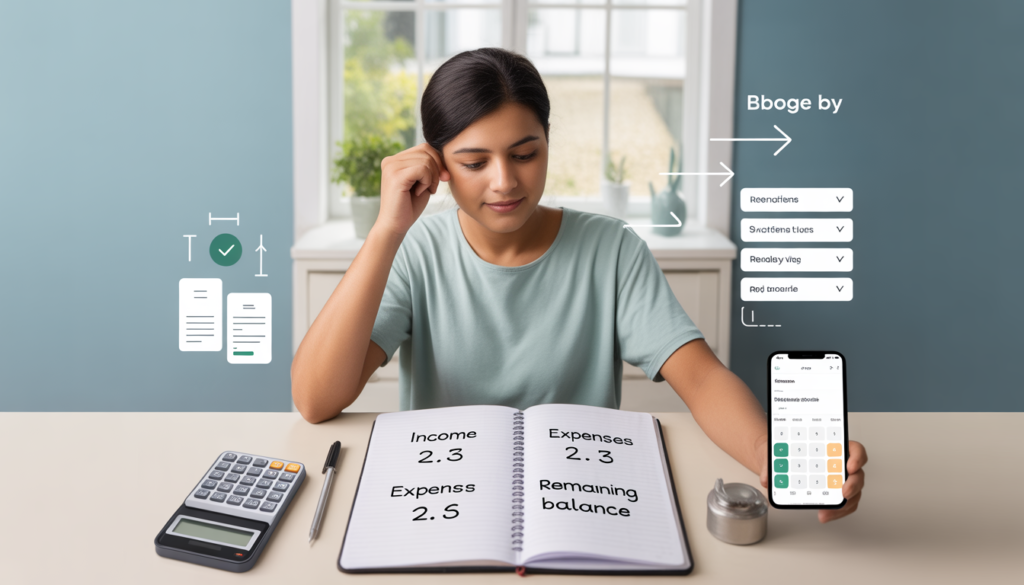
Before diving into any budget planning, you need to know exactly how much money flows into your bank account each month. This sounds obvious, but most people get this first step completely wrong. Your salary slip might show ₹50,000, but after deductions like PF, ESI, professional tax, & income tax, you might only receive ₹42,000 in your account. This take-home amount is your REAL income – the money you can actually spend.
Let’s take Priya, a software engineer from Bangalore, as our example. Her gross salary is ₹60,000 per month, but after all deductions, she receives ₹51,500 in her bank account. Additionally, she earns ₹3,000 monthly from freelance graphic design work & receives ₹2,000 as rental income from a small property her family owns. Her total monthly REAL income becomes ₹56,500.
Don’t forget to include other income sources like freelance work, rental income, dividends, or even money from selling items online. However, be conservative with irregular income. If your freelance work varies between ₹2,000 to ₹8,000 monthly, use the lower figure (₹2,000) for budgeting purposes. This way, any extra money becomes a bonus rather than something you depend on for essential expenses. Many people make the mistake of budgeting based on their best month’s income, which leads to overspending when reality hits.
The 50-30-20 Rule: Your Budget’s Best Friend
Now that you know your real income, let’s divide it using the famous 50-30-20 rule, adapted for Indian conditions. This rule suggests spending 50% on NEEDS, 30% on WANTS, & 20% on SAVINGS. However, given Indian family responsibilities & living costs, we’ll modify this slightly to make it more realistic for our situation.

Using Priya’s ₹56,500 monthly income, here’s how the division looks: 50% (₹28,250) goes to absolute necessities like rent, groceries, utilities, & transportation. These are expenses you simply cannot avoid without seriously impacting your quality of life. The 30% portion (₹16,950) covers your wants – dining out, entertainment, shopping for non-essential items, & hobbies. Finally, 20% (₹11,300) goes directly into savings & investments before you can spend it on anything else.
The beauty of this system lies in its simplicity & flexibility. If you’re living in an expensive city like Mumbai or Delhi, you might need to adjust to 55-25-20 initially, then gradually work toward the ideal ratio. The key is starting somewhere rather than waiting for the “perfect” budget. Remember, a budget that you actually follow is infinitely better than a perfect budget that remains on paper. As your income grows or expenses change, you can easily adjust these percentages while maintaining the basic structure.
Breaking Down Your NEEDS: The Non-Negotiable 50%
Your NEEDS category includes everything essential for basic living – think survival first, comfort second. Let’s break down Priya’s ₹28,250 NEEDS budget into specific categories that most Indians can relate to. Her rent takes up ₹15,000 (which is about 27% of total income – a reasonable amount for Bangalore). Groceries & household supplies cost approximately ₹4,500 monthly, including everything from dal-chawal to cleaning products.
Transportation expenses amount to ₹3,000, covering auto-rickshaw rides, occasional cab fares, & monthly bus passes. Utilities like electricity, water, gas cylinder, & internet connection total ₹2,200 per month. She allocates ₹1,500 for basic clothing & personal care items like soap, shampoo, & toothpaste. The remaining ₹2,050 goes into a “basic emergency fund” for unexpected necessities like medical expenses or urgent repairs.
The trick with NEEDS is being brutally honest about what’s truly essential versus what feels essential. That expensive skincare routine or branded groceries might seem necessary, but they often belong in the WANTS category. Ask yourself: “If I lost my job tomorrow, would I still spend money on this?” If the answer is no, it’s probably a want disguised as a need. This doesn’t mean living like a monk – it means being clear about your priorities so you can make conscious spending decisions.
Your WANTS Budget: Fun Money That Won’t Ruin You
The WANTS category is where budgeting becomes enjoyable rather than restrictive. Priya’s ₹16,950 monthly fun money gets divided based on what brings her genuine happiness & relaxation. She spends ₹5,000 on dining out & food delivery, which might seem high, but it’s money she consciously chooses to spend on experiences with friends & convenience after long work days.
Entertainment expenses like movie tickets, streaming subscriptions, & weekend activities get ₹3,000 monthly. Shopping for non-essential items trendy clothes, gadgets, books, or home decoration receives ₹4,500. She keeps ₹2,450 for hobbies & personal interests, which currently includes a gym membership & occasional art supplies for her creative projects. The remaining ₹2,000 serves as a buffer for spontaneous purchases or months when she wants to spend extra on something special.

The genius of having a dedicated WANTS budget is that it eliminates guilt from enjoyable spending while preventing overspending. When you know you have ₹5,000 allocated for dining out, you can enjoy that weekend restaurant visit without worrying about your financial future. However, once the money’s spent, you wait until next month for more restaurant meals. This creates natural boundaries that protect your essential expenses & savings while still allowing for a fulfilling lifestyle.
Savings & Investments: Paying Your Future Self First
The final 20% might be the most crucial part of your entire budget because it determines your long-term financial security. Priya’s ₹11,300 monthly savings gets strategically divided across different goals & time horizons. She puts ₹3,000 into a liquid emergency fund that she can access within 24 hours for genuine emergencies. This money sits in a savings account or liquid mutual fund, prioritizing accessibility over returns.
Another ₹4,000 goes into systematic investment plans (SIPs) in diversified mutual funds for long-term wealth creation. She’s chosen a mix of large-cap & mid-cap equity funds based on her risk tolerance & investment timeline. ₹2,300 gets invested in ELSS funds, which provide tax benefits under Section 80C while building wealth simultaneously. The remaining ₹2,000 goes toward specific short-term goals like vacation planning, gadget upgrades, or skill development courses.
The key principle here is “paying yourself first” transferring money to savings & investments immediately after receiving your salary, before any spending happens. Set up automatic transfers so the money moves without requiring willpower or remembering to do it manually. Treat your future self like any other important bill that must be paid on time, every time. Many people save whatever remains after spending, but successful budgeters spend whatever remains after saving.
Making Your Budget Work in REAL Life
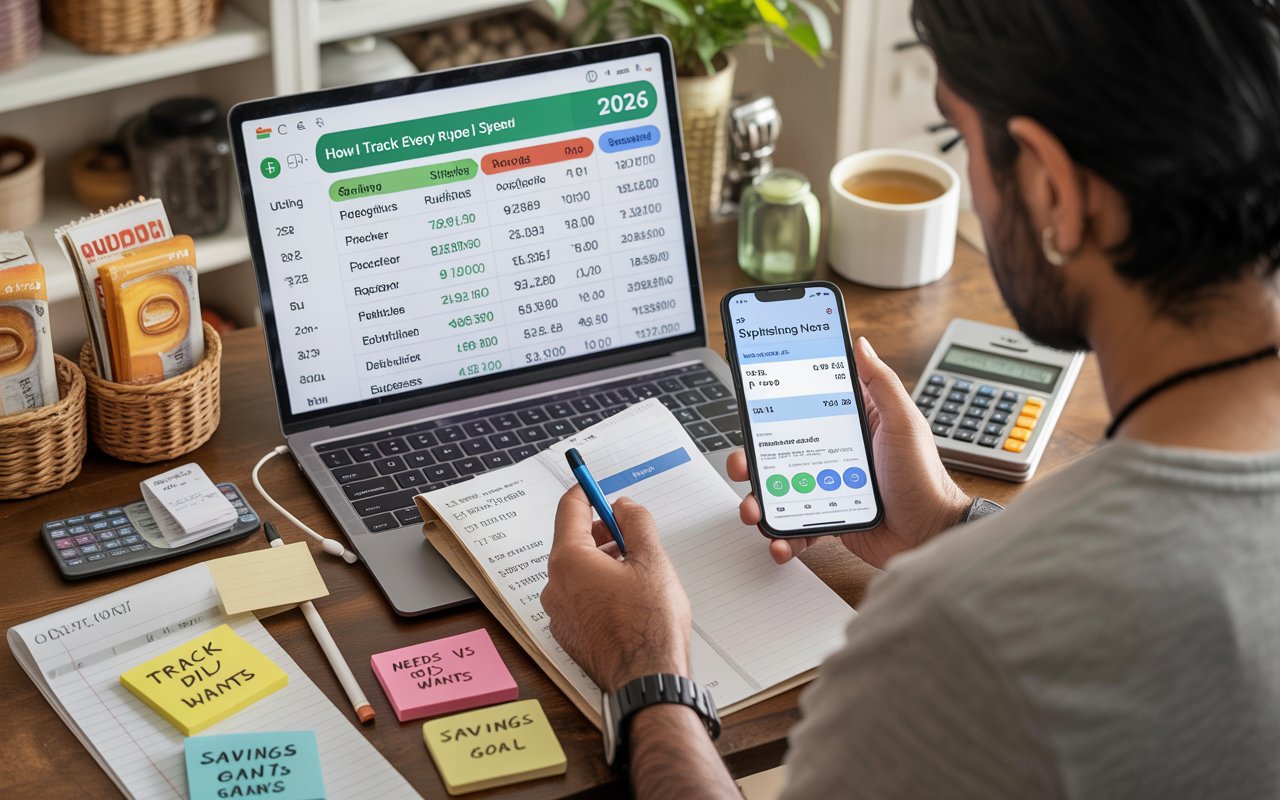
Creating a budget on paper is easy; sticking to it in real life requires practical strategies & realistic expectations. Start by tracking every single expense for one month without trying to change anything. Use apps like Walnut, ET Money, or even a simple notebook to record where your money actually goes. You’ll be shocked to discover how much you spend on small, seemingly insignificant purchases that add up to significant amounts.
Once you understand your spending patterns, implement the budget gradually rather than making drastic changes overnight. If you currently spend ₹8,000 monthly on dining out but your new budget allows ₹5,000, reduce it to ₹6,500 first month, then ₹6,000 next month, finally reaching ₹5,000 by the third month. Sudden dramatic changes rarely stick because they feel like punishment rather than progress.
Create specific strategies for staying within each category. For dining out, decide in advance which restaurants or food delivery apps you’ll use & approximately how many times per month. For shopping, implement a 24-hour waiting period before buying anything non-essential above ₹1,000. For entertainment, look for free or low-cost alternatives like parks, free events, or home movie nights. The goal isn’t deprivation but conscious choice-making that aligns with your financial priorities & life goals.
Your Journey to Financial Freedom Starts TODAY
Budgeting isn’t about restriction – it’s about creating a system that supports the life you want while securing your financial future. The example we’ve walked through with Priya shows that even moderate incomes can support both enjoyable present living & strong future financial security when managed wisely. Remember, the perfect budget is the one you’ll actually follow consistently, not the one that looks impressive on paper.
Start implementing these principles immediately, even if your numbers look different from our example. Whether you earn ₹25,000 or ₹1,50,000 monthly, the percentages & categories remain relevant. Begin with tracking your current spending for one week, then gradually introduce the 50-30-20 framework. Don’t wait for the “right time” or until you earn more money – good financial habits developed now will serve you throughout your entire life.
Your future self will thank you for every rupee you save & invest today. Financial freedom isn’t achieved through one big dramatic change but through consistent small decisions made month after month, year after year. Take the first step today by calculating your real income & setting up that automatic savings transfer. Your journey toward complete financial control & peace of mind begins with this single budget decision. What are you waiting for?