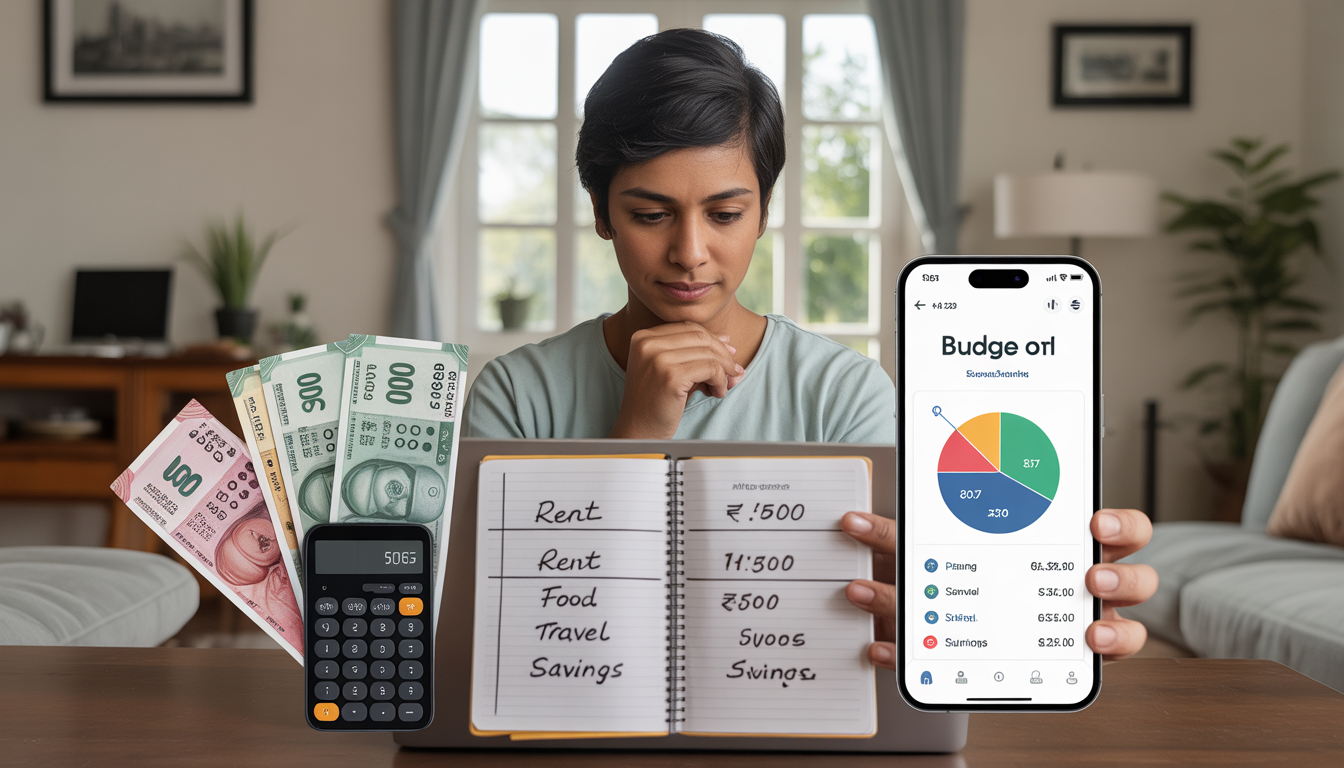
Living on ₹20,000 per month might SEEM impossible in today’s world, but here’s the truth – millions of Indians are doing it successfully every single day. Whether you’re a fresh graduate starting your first job, working in a small town, or simply going through a tough financial phase, managing money on this salary isn’t just possible – it’s totally DOABLE with the right plan.
The biggest mistake people make is thinking that earning less means you can’t save or enjoy life. That’s completely WRONG! The secret lies in smart planning, understanding your priorities, & making every rupee count. This isn’t about living like a monk or cutting out all fun from your life. Instead, it’s about creating a REALISTIC system that helps you cover your needs, save for the future, and still have some money left for things you enjoy.
In this detailed guide, we’ll break down exactly how to manage ₹20,000 monthly salary in India. We’ll cover everything from creating a practical budget to finding ways to increase your income. You’ll learn specific strategies that work in Indian cities, towns, & villages. We’ll also discuss common mistakes to avoid & share real examples of people who’ve successfully managed their finances on similar salaries. By the end of this article, you’ll have a clear roadmap to take control of your money, no matter where you live in India.
Breaking Down Your ₹20,000: The 50-30-20 Modified Rule
The traditional 50-30-20 rule doesn’t work perfectly for lower salaries in India, so let’s CREATE a modified version that actually makes sense. When you’re earning ₹20,000, every rupee matters more, & your priorities need to be crystal clear. Here’s how to divide your salary: 60% for NEEDS (₹12,000), 25% for wants (₹5,000), & 15% for savings (₹3,000).
Your NEEDS category should include rent, food, transportation, & basic utilities. In smaller cities, you might find a decent room for ₹4,000-6,000, while in metro cities, you might need to share an apartment or live in suburbs. Food should take up about ₹4,000-5,000 if you cook at home most of the time. Transportation costs vary hugely – if you use public transport in cities like Delhi or Mumbai, budget around ₹2,000-2,500 monthly. The remaining amount covers phone bills, basic toiletries, & other essential expenses.
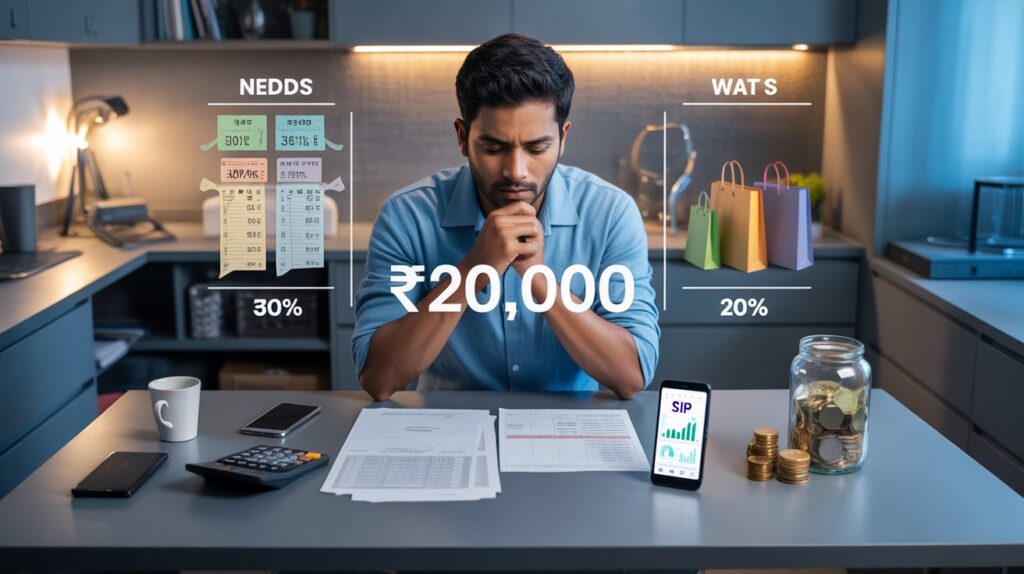
The WANTS category (₹5,000) is where you get to enjoy life a little. This includes eating out occasionally, buying clothes, entertainment like movies or web series subscriptions, & small treats for yourself. Don’t feel guilty about this category it’s important for your mental health & motivation. However, track every expense here carefully. If you overspend in wants, it should come from the same ₹5,000, not from your needs or savings money.
Saving ₹3,000 monthly might seem CHALLENGING, but it’s absolutely crucial for your financial future. This money should go into different buckets: emergency fund (at least ₹1,500 monthly until you have ₹30,000-50,000), long-term investments (₹1,000), & short-term goals (₹500). Remember, saving isn’t about the amount – it’s about building the HABIT. Even if you can only save ₹2,000 some months, that’s still progress.
Smart Living Strategies That Actually Work in India
Housing is probably your biggest expense, so let’s tackle it SMARTLY. If you’re in a metro city, consider these options: sharing a 2BHK with 2-3 friends can bring your rent down to ₹4,000-7,000 including utilities. Look for places near metro stations or bus stops to save on daily transportation. In smaller cities, you might find independent rooms for ₹3,000-5,000. Always negotiate rent & ask about including electricity or water charges in the rent amount.
Food expenses can make or BREAK your budget. Cooking at home is non negotiable if you want to stick to ₹20,000 monthly. Plan your meals for the week & make a shopping list. Buy vegetables & fruits from local markets instead of supermarkets – you’ll save 20-30% easily. Cook in batches & store food properly to avoid waste. If you must eat out, look for local dhabas or small restaurants instead of branded food chains. A good meal at a local place costs ₹80-120 compared to ₹200-300 at branded restaurants.
Transportation is another area where SMART choices save big money. If you live in a city with good public transport, get monthly passes instead of daily tickets. Delhi Metro’s monthly pass can save you ₹500-800 compared to daily tickets. For shorter distances, consider walking or cycling – it’s FREE & good for health. If you need a two-wheeler, buy a used one instead of taking a loan for a new vehicle. Maintain it well to avoid frequent repair costs.
Use technology to your advantage. Download apps like Paytm, PhonePe, or Google Pay for cashback offers on bill payments & recharges. Use grocery apps during sale periods, but be careful not to overspend just because of discounts. Track your expenses using simple apps like Walnut or even a basic smartphone notepad. The key is CONSISTENCY in tracking, not using fancy tools.
Building Your Safety Net & Future Fund
Creating an emergency fund on ₹20,000 salary isn’t luxury it’s absolutely NECESSARY. Start with saving just ₹1,000 monthly for emergencies. This might seem small, but in 6 months, you’ll have ₹6,000 which can handle most small emergencies like medical bills, phone repairs, or unexpected travel. Your goal should be to build an emergency fund worth 3-6 months of expenses, which means ₹30,000-60,000.
Keep this emergency money in a savings bank account or fixed deposit where you can ACCESS it quickly. Don’t invest emergency funds in stocks or mutual funds because their value can go up & down. Banks like Jan Dhan accounts offer decent interest rates & are perfect for emergency funds. Some people keep emergency money in recurring deposits, but make sure you can break it without heavy penalties if needed.

Once your emergency fund reaches ₹15,000-20,000, start thinking about INVESTMENTS. With just ₹500-1,000 monthly, you can start building wealth for the future. Systematic Investment Plans (SIPs) in mutual funds are perfect for small investors. You can start SIPs with as little as ₹500 monthly. Choose large-cap equity funds for stability or balanced funds if you want some safety with growth potential.
Don’t ignore traditional saving schemes that work well in India. Public Provident Fund (PPF) allows you to invest ₹500-1.5 lakh annually with tax benefits & guaranteed returns. Even ₹500 monthly in PPF builds a good corpus over 15 years. National Savings Certificate (NSC) & Post Office Monthly Income Scheme are other SAFE options for conservative investors. The key is to start investing something rather than waiting for a higher salary to begin.
Consider learning basic financial literacy through free resources. YouTube channels, government websites, & library books can teach you about money management without spending extra money. Understanding concepts like inflation, compound interest, & tax saving will help you make BETTER financial decisions as your income grows.
Increasing Your Income While Managing Expenses
Managing ₹20,000 is important, but increasing your income is equally CRUCIAL for long-term financial health. Look for skill development opportunities that don’t require huge investments. If you’re good with computers, learn basic data entry, Excel, or digital marketing through free online courses. These skills can help you find part-time work or better full-time jobs.
Consider freelancing in your spare time. Content writing, data entry, online tutoring, or social media management are popular freelancing options that don’t need special equipment. Even earning an extra ₹3,000-5,000 monthly through freelancing can significantly IMPROVE your financial situation. Platforms like Upwork, Freelancer, or local Facebook groups often have opportunities for beginners.
If you have any hobby or skill, think about MONETIZING it. Can you teach music, cooking, or languages? Can you make handicrafts or food items to sell? Many people start small businesses with just ₹5,000-10,000 investment. The key is to start small, test your idea, & grow gradually. Don’t quit your main job until your side income becomes stable & substantial.
Look for opportunities to reduce expenses while maintaining quality of life. Can you find a job closer to home to save transportation costs? Can you share Netflix or Amazon Prime subscriptions with family members? Can you buy clothes during end of season sales instead of paying full price? These small changes add up to SIGNIFICANT savings over time.
Network with people in your industry & keep looking for better job opportunities. Sometimes, a job change can increase your salary by ₹5,000-10,000 monthly. Update your resume regularly, learn new skills relevant to your field, & don’t hesitate to apply for positions that offer better pay. Remember, your current salary doesn’t define your WORTH – it’s just a starting point.
Your Journey to Financial Freedom Starts Now
Managing money on ₹20,000 salary requires discipline, planning, & patience, but it’s absolutely ACHIEVABLE. Remember that this salary level is not a permanent situation – it’s a stepping stone to better financial opportunities. Every rupee you save today, every skill you learn, & every smart financial decision you make is building your foundation for a more prosperous future.
The strategies we’ve discussed aren’t just theory they’re PROVEN methods used by millions of Indians who’ve successfully managed their finances on similar or even lower salaries. The key is to start implementing these ideas immediately rather than waiting for the “perfect” time or a higher salary. Your financial journey begins with your very next paycheck.

Don’t get discouraged if you make mistakes in the first few months. Budgeting & money management are SKILLS that improve with practice. Track your expenses, learn from overspending mistakes, & adjust your plan as needed. Celebrate small victories like completing your first month within budget or reaching your first ₹5,000 in emergency savings.
Most importantly, remember that managing ₹20,000 effectively teaches you financial discipline that will serve you throughout your life. The habits you build now – tracking expenses, avoiding unnecessary debt, saving regularly, & living within your means – will help you manage ₹50,000, ₹1 lakh, or any future salary SUCCESSFULLY.
Start today by writing down your monthly expenses & creating your first budget. Download a simple expense tracking app & commit to recording every expense for the next 30 days. Open a separate savings account for your emergency fund & set up an automatic transfer of ₹1,000 monthly. These small steps today will transform your financial future tomorrow. Your ₹20,000 salary is not a limitation – it’s your OPPORTUNITY to build strong money management skills that will benefit you for life.