Introduction
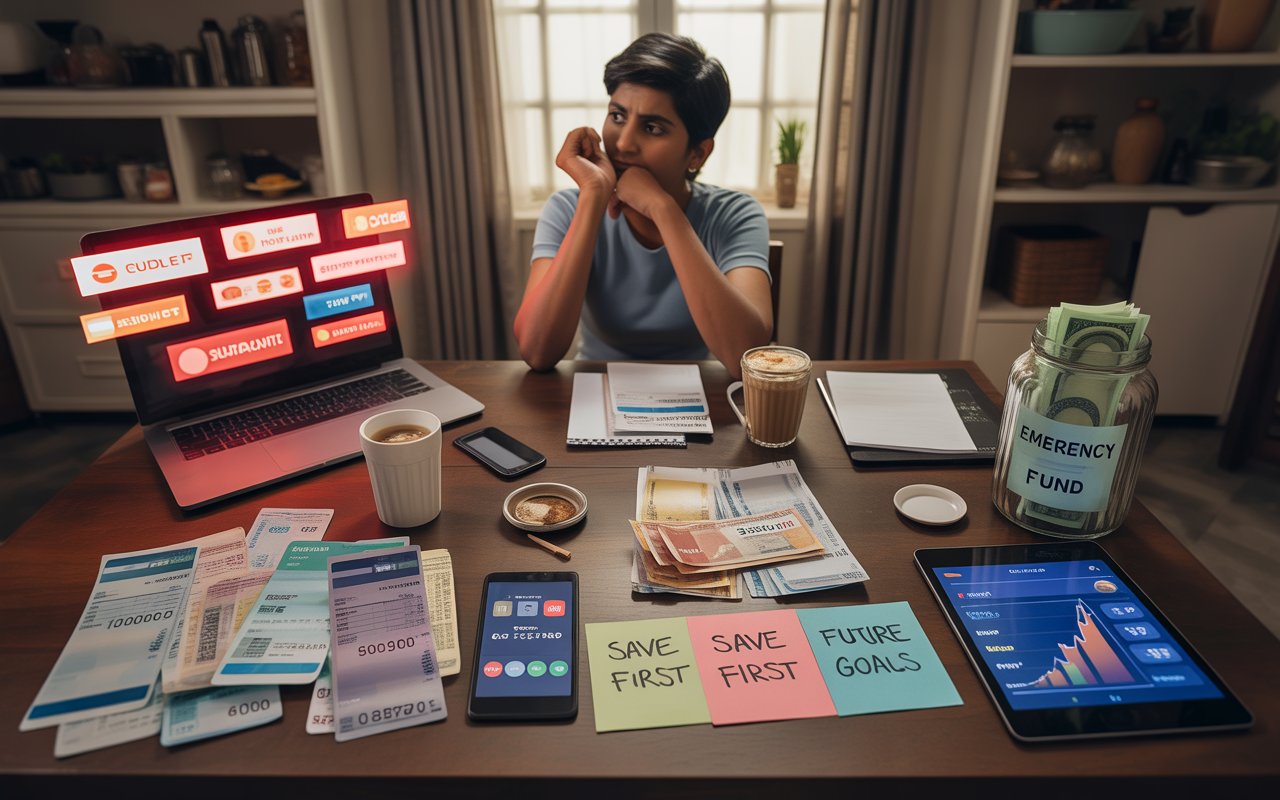
Have you ever wondered where all your money goes each month? You work hard, earn a decent income, but somehow your bank account still looks pretty sad by the end of the month. The truth is, most people are throwing money away on things that don’t add any real value to their lives. These sneaky expenses might seem small, but they add up to THOUSANDS of dollars over time.
Think about it this way: every dollar you waste on unnecessary stuff is a dollar that could have gone toward your emergency fund, vacation dreams, or that house you’ve been wanting to buy. The good news is that once you know what these money traps are, you can easily avoid them & start keeping more cash in your pocket.
In this article, we’re going to explore 10 things you should NEVER spend your hard-earned money on. These aren’t just random suggestions they’re proven budget killers that financial experts warn against. By avoiding these expenses, you could save hundreds or even thousands of dollars every year. Ready to take control of your finances & start building real wealth? Let’s dive into these money-wasting mistakes that you need to stop making right now.
1. Extended Warranties on Electronics
When you buy a new TV, phone, or laptop, the salesperson always tries to sell you an extended warranty. They make it sound like your device will definitely break right after the manufacturer’s warranty expires. But here’s the TRUTH: extended warranties are one of the biggest rip-offs in retail.
Most electronics today are built to last way longer than their basic warranty period. Companies like Apple, Samsung, & Sony have gotten really good at making reliable products. Plus, many credit cards automatically extend your warranty for free when you use them to make purchases. The store makes huge profits on these warranties sometimes up to 50% of what you pay goes straight to their bottom line.

Instead of buying extended warranties, put that money into a “repair fund” savings account. For example, if you would have spent $200 on a warranty for your laptop, save that $200 instead. If your laptop never breaks (which is likely), you keep the money. If it does break after a few years, you probably saved enough to either fix it or buy a newer, better model. This strategy works because most people buy way more warranties than they ever use. Don’t let fear-based selling tactics trick you into wasting money on protection you probably won’t need.
2. Brand New Cars
Buying a brand new car is one of the WORST financial decisions you can make. The moment you drive that shiny new vehicle off the dealer’s lot, it loses about 20% of its value. After one year, it’s worth about 40% less than what you paid. That’s like throwing thousands of dollars out the window!
Let’s say you buy a $30,000 new car. After just one year, it’s only worth about $18,000. That means you lost $12,000 in just 12 months – that’s $1,000 per month! You could have taken an amazing vacation every month with that money instead.
Smart people buy cars that are 2-3 years old. These cars still have most of their useful life left, but someone else already took the massive depreciation hit. You can often find cars with low mileage that look & drive like new, but cost 30-40% less. Modern cars are so reliable that a 3-year-old vehicle will easily last you another 10+ years with proper maintenance. The money you save by buying used can go toward building your emergency fund, investing for retirement, or paying off debt. Remember, a car’s job is to get you from point A to point B safely & reliably – it doesn’t need to be the latest model to do that job well.
3. Premium Cable TV Packages
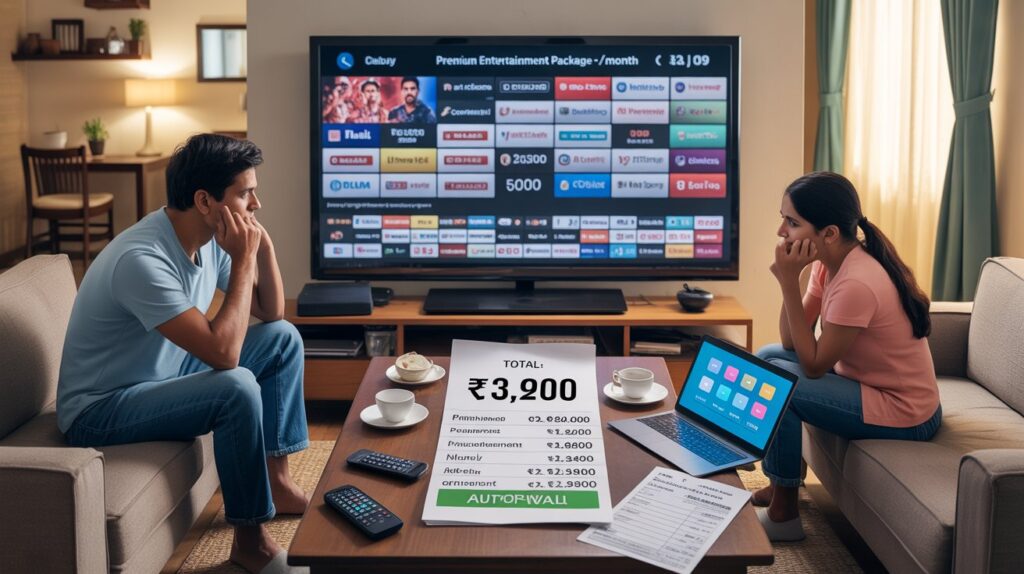
Paying $150+ per month for hundreds of TV channels you never watch is like burning money. Most people only watch about 10-15 channels regularly, yet they pay for packages with 500+ channels. That’s crazy! The cable companies know this, but they make these huge packages seem like “great deals” to trick you into overspending.
Think about how you actually watch TV these days. You probably spend more time on Netflix, YouTube, or other streaming services than traditional cable. Streaming services give you what you want, when you want it, without annoying commercials. You can get Netflix, Hulu, Disney+, & Amazon Prime for less than $50 per month total – that’s $100+ in monthly savings compared to premium cable.
Many people worry about missing live sports, but there are cheaper ways to watch games. You can use an antenna for local channels, go to sports bars for big games, or split streaming sports packages with friends & family. Some people say they need cable for news, but you can get news free online or through apps. The truth is, cutting cable forces you to be more intentional about what you watch, which often leads to spending more time on productive activities like reading, exercising, or learning new skills. Your wallet AND your life will thank you for ditching expensive cable packages.
4. Lottery Tickets & Gambling
The lottery is often called “a tax on people who are bad at math,” & that’s pretty accurate. Your chances of winning the big jackpot are so tiny that you’re more likely to get struck by lightning twice. Yet millions of people spend their hard-earned money on lottery tickets every week, hoping to get rich quick.
Let’s do some REAL math here. Say you spend $20 per week on lottery tickets. That’s about $1,000 per year! Over 10 years, that’s $10,000 – & that’s not counting what that money could have earned if you invested it instead. If you invested that $1,000 per year in a simple index fund earning 7% annually, you’d have about $14,000 after 10 years. That’s guaranteed growth versus almost guaranteed loss with lottery tickets.
The same logic applies to casino gambling & online betting apps. These businesses exist to make money OFF of you, not to make you rich. The house always has an edge, which means the longer you play, the more likely you are to lose. Sure, some people win occasionally, but for every winner, there are thousands of losers. Instead of gambling your money away, put it toward goals that will actually improve your life – like building an emergency fund, paying off debt, or investing for retirement. Those might not be as exciting as gambling, but they’re guaranteed ways to build wealth over time.
5. Expensive Coffee Shop Visits
That daily $6 coffee might seem harmless, but it’s actually costing you a FORTUNE over time. If you buy one fancy coffee every weekday, that’s $30 per week, $120 per month, & $1,440 per year! That’s enough money for a nice vacation or a solid start to an emergency fund.
But wait, it gets worse. If you invested that $1,440 per year instead of spending it on coffee, & earned a 7% return, you’d have over $20,000 after 10 years. That’s the true cost of your coffee habit – not just the money you spend, but the wealth you could have built instead.
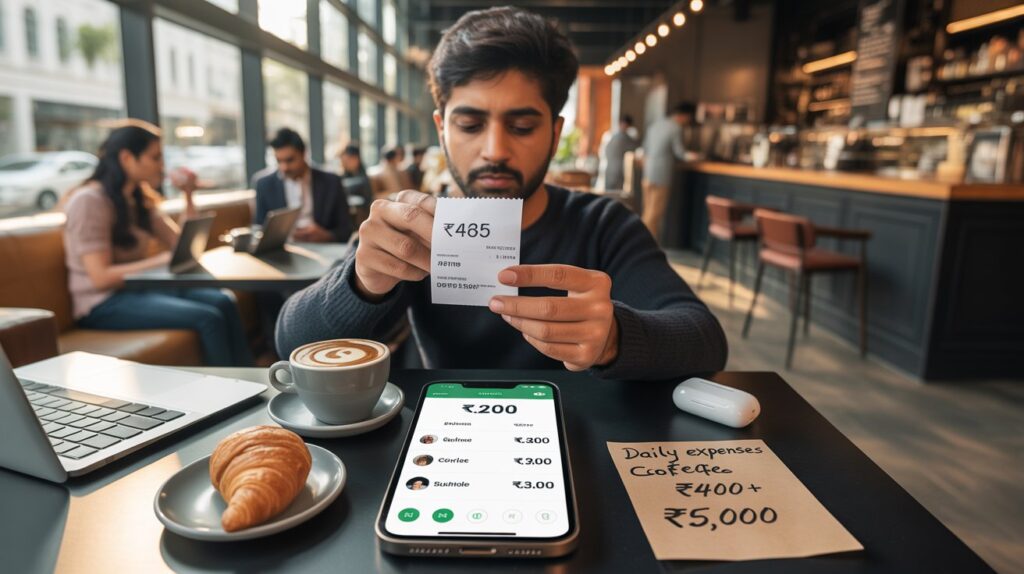
Making coffee at home is SUPER easy & costs about $0.50 per cup. You can buy a good coffee maker for $50 & high-quality coffee beans for much less than what coffee shops charge. If you really love fancy drinks, learn to make them yourself there are tons of YouTube videos that teach you how. You can also invest in a good travel mug & make your coffee extra special with flavoured syrups or high-quality cream. The key is breaking the habit of stopping at coffee shops out of convenience. Plan ahead, make your coffee at home, & watch your savings grow. Your future self will thank you for choosing wealth-building over expensive caffeine habits.
6. Designer Clothing & Accessories
Paying $200 for a t-shirt just because it has a designer logo is one of the silliest ways to waste money. The shirt probably costs $10 to make, but you’re paying extra for the brand name & the feeling of status. Here’s a secret: most people can’t tell the difference between expensive designer clothes & well-chosen affordable alternatives.
Many designer brands actually make their products in the same factories as cheaper brands. You’re literally paying 5-10 times more for the same quality, just with a different label sewn in. That $500 designer handbag might be sitting right next to a $50 bag that looks almost identical & will last just as long.
Smart shoppers focus on quality & fit rather than brand names. You can find amazing clothes at discount stores, outlet malls, & online retailers for a fraction of designer prices. Stores like Target, H&M, & Zara offer trendy, well-made clothes that look expensive but don’t break your budget. The money you save can go toward experiences, investments, or other goals that actually matter. Remember, true confidence comes from feeling good about your financial situation, not from wearing expensive labels. People are usually too busy worrying about their own appearance to judge yours. Focus on looking neat, clean, & put-together rather than expensive, & you’ll feel just as confident while keeping thousands of dollars in your pocket.
7. Bottled Water
Buying bottled water when you have access to clean tap water is basically paying 1000 times more for something you can get almost free at home. A bottle of water that costs $1.50 contains water that would cost about $0.002 from your tap. That’s not a typo – you’re paying 750 times more for convenience!
Americans throw away about 50 billion plastic water bottles every year, which is terrible for the environment. Most tap water in developed countries is actually cleaner & more regulated than bottled water. The FDA has stricter rules for tap water than for bottled water, which means what comes out of your faucet might actually be safer than what you buy in stores.
If you don’t like the taste of your tap water, buy a good water filter for your home. A quality filter costs about $30 & provides clean, great-tasting water for months. You can also invest in a nice reusable water bottle & fill it up at home, work, or public water fountains. This simple change can save you hundreds of dollars per year while helping the environment. Many gyms, schools, & public buildings now have special water bottle filling stations that make it easy to stay hydrated without buying expensive bottled water. Make the switch today & start putting that money toward something that actually matters for your financial future.
8. Timeshares & Vacation Memberships
Timeshares are some of the WORST investments you can make. Despite what the smooth-talking salespeople tell you during those high-pressure presentations, timeshares almost always lose money. They’re incredibly hard to sell, come with endless fees, & lock you into the same vacation spot year after year.
Here’s how the timeshare trap works: they invite you to a “free” vacation or offer you gifts to attend a presentation. Then they use high pressure tactics to get you to sign a contract right away. They’ll tell you that you’re “investing” in real estate, but timeshares aren’t real investments they’re expenses that keep costing you money forever.

Even if you pay off your timeshare, you’ll still owe maintenance fees, special assessments, & other costs for as long as you own it. These fees go up every year, & you can’t avoid them even if you don’t use your timeshare. Many people end up paying lawyers thousands of dollars just to get OUT of timeshare contracts.
Instead of buying a timeshare, save money in a vacation fund & stay in different places each year. You’ll have more flexibility, see more of the world, & save thousands of dollars. Vacation rental apps like Airbnb & VRBO offer amazing places to stay at much lower costs than timeshares. Don’t let high-pressure sales tactics trick you into making this expensive mistake.
9. Payday Loans & Cash Advances
Payday loans are financial POISON. These short-term loans might seem helpful when you’re in a tight spot, but they trap people in cycles of debt that can last for years. The interest rates on payday loans are absolutely insane – sometimes over 400% annually!
Here’s how the payday loan trap works: you borrow $300 & agree to pay it back in two weeks with fees. When payday comes, you owe $345, but you can’t afford to pay it all back. So you “roll over” the loan & pay just the $45 fee. Two weeks later, you still owe $300 plus another $45 fee. This cycle can continue for months, with you paying hundreds of dollars in fees but never reducing what you owe.
Cash advances from credit cards are almost as bad. They usually come with fees of 3-5% upfront, plus interest rates that are higher than regular credit card purchases. The interest starts immediately – there’s no grace period like with regular credit card purchases.
If you need emergency money, there are better options. Ask family or friends for help, sell things you don’t need, pick up extra work, or contact local assistance programs. Some employers offer paycheck advances at no cost. Credit unions often have emergency loan programs with much lower rates than payday lenders. Whatever you do, avoid payday loans & cash advances they’ll make your financial situation MUCH worse, not better.
10. Expensive Gym Memberships & Fitness Equipment
Signing up for expensive gym memberships that you rarely use is like setting money on fire every month. Most people join gyms with good intentions, especially in January, but stop going regularly after just a few weeks. Yet they keep paying those monthly fees for months or years because canceling gym contracts can be incredibly difficult.
Premium gyms often charge $100+ per month for fancy amenities that you probably don’t need. You don’t need a gym with a juice bar, towel service, & classes led by celebrity trainers to get in shape. Your body can’t tell the difference between expensive equipment & basic equipment what matters is that you actually USE it consistently.
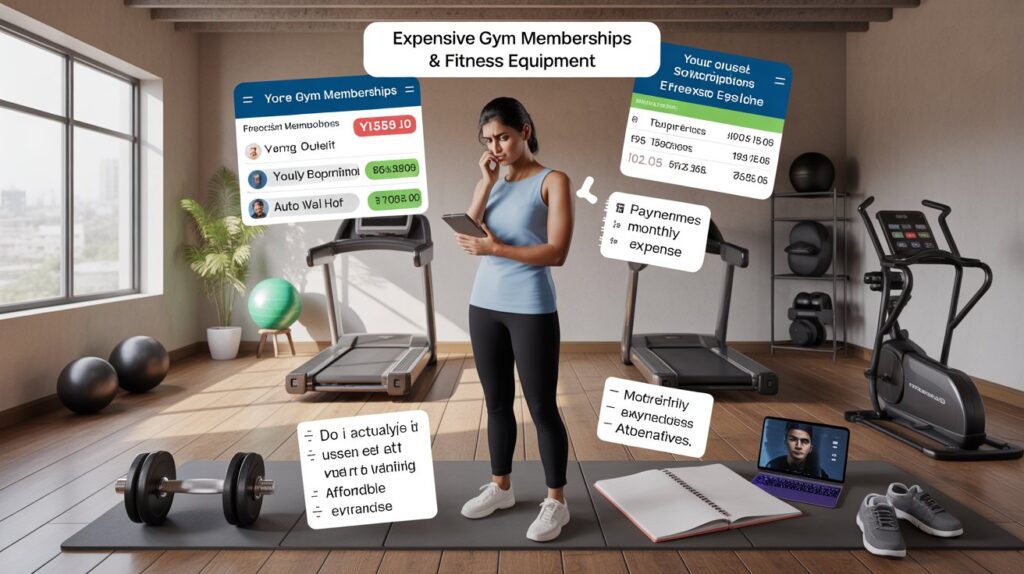
The same goes for expensive home gym equipment. Those fancy treadmills, weight machines, & exercise bikes that cost thousands of dollars often end up as expensive clothes hangers. Before buying any exercise equipment, honestly ask yourself: “Will I really use this 3+ times per week for the next year?”
You can get an amazing workout with just bodyweight exercises, resistance bands, & maybe some dumbbells. YouTube has thousands of free workout videos that are just as good as expensive personal trainers. Walking, running, hiking, & biking are free & often more enjoyable than indoor workouts. Many communities have free outdoor fitness equipment in parks. If you do want a gym membership, look for basic facilities that cost $10-30 per month instead of premium clubs. The key is finding activities you actually enjoy & can stick with long-term, regardless of cost.
Conclusion
Now you know the 10 biggest money traps that keep people broke. These seemingly small expenses add up to THOUSANDS of dollars every year money that could be building your wealth instead of disappearing into someone else’s pocket. The companies selling these products & services are counting on you to make emotional decisions rather than smart financial ones.
Take a moment to calculate how much money you’ve spent on these items in the past year. The number might shock you! But don’t feel bad almost everyone falls for some of these traps. The important thing is that you’re now aware of them & can make better choices going forward.
Start by picking just ONE of these areas to work on. Maybe cancel that premium cable package this month, or commit to making coffee at home instead of stopping at expensive coffee shops. Small changes create BIG results over time. As you start seeing money stay in your account instead of flowing out, you’ll get motivated to tackle the other money traps on this list.
Remember, every dollar you save by avoiding these expenses is a dollar you can put toward things that actually matter: building an emergency fund, paying off debt, investing for retirement, or saving for experiences that create lasting memories. Your future self will thank you for making these smart financial decisions today. Which money trap will you eliminate first?