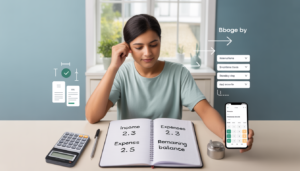
Money problems keeping you up at Night? You’re not alone! Millions of people struggle with the same question: how can I save money without feeling like I’m living in a cave eating ramen noodles every day? The good news is that cutting expenses doesn’t mean you have to give up everything you love or live like a hermit.
Think about it this way what if you could save hundreds of dollars every month while still enjoying your favourite activities, eating delicious food, & keeping up with the lifestyle that makes you happy? Sounds too good to be true, right? Well, it’s not! The secret lies in making SMART choices instead of drastic cuts.
Most people think saving money means saying goodbye to fun, but that’s where they’re wrong. The key is finding clever ways to reduce costs without reducing joy. It’s about being strategic, not stingy. When you make the right moves, you can actually improve your quality of life while spending less money.
In this article, we’ll explore eight proven strategies that will help you cut your expenses significantly without feeling like you’re sacrificing anything important. These aren’t extreme measures or complicated financial tricks – they’re simple, practical ideas that anyone can use starting today. Ready to transform your finances without transforming your lifestyle? Let’s dive in!
1. Master the Art of Strategic Subscription Management
How many subscriptions are quietly draining your bank account right now? Most people are shocked when they actually count up all their monthly subscriptions. Netflix, Spotify, gym memberships, magazine subscriptions, app subscriptions they add up faster than you might think!
Here’s the SMART approach: instead of canceling everything, become a subscription detective. Start by listing every single subscription you pay for each month. Don’t guess the amounts – check your actual bank statements. You’ll probably find a few surprises hiding in there! Once you have your complete list, divide your subscriptions into three categories: must-haves, nice to haves, & forgot I had these.
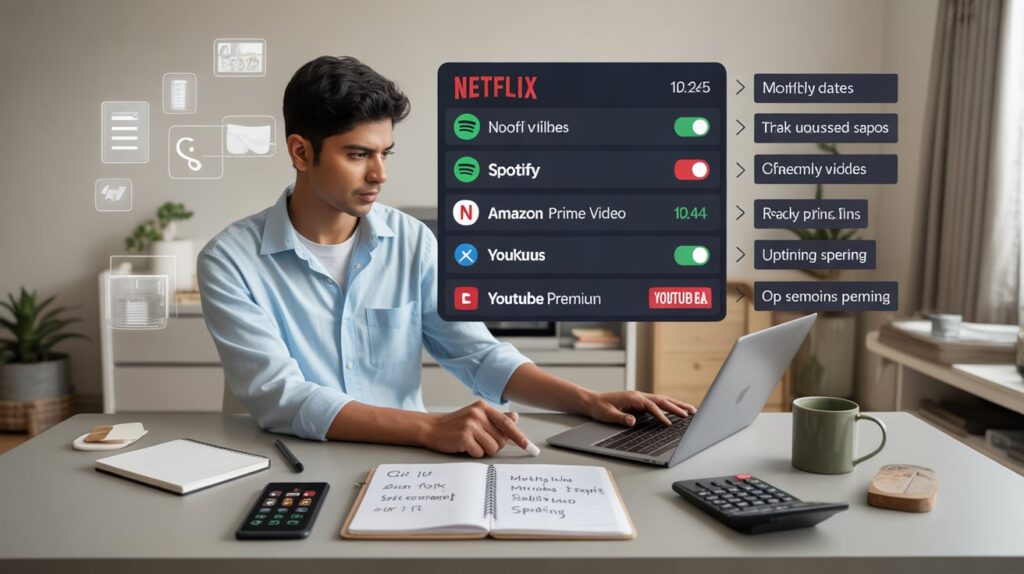
The “forgot I had these” category should be canceled immediately. These are usually free trials you forgot to cancel or services you signed up for months ago & never use. The “nice to haves” need more careful consideration. Can you share a Netflix account with family? Can you switch to a cheaper music streaming service? Can you pause your gym membership during months when you know you’ll be traveling?
For your must have subscriptions, look for annual payment discounts. Many services offer significant savings when you pay for a full year upfront instead of monthly. This strategy alone could save you 15-20% on services you’re going to use anyway. The beauty of this approach is that you still get to enjoy all your favourite services you’re just paying less for them!
2. Transform Your Grocery Shopping Game
Grocery shopping might seem straightforward, but it’s actually one of the biggest opportunities to save money without changing what you eat. The average family throws away $1,500 worth of food every year! That’s like throwing fifteen $100 bills straight into the trash can.
Start with meal planning – it sounds boring, but it’s actually liberating. When you plan your meals for the week, you know exactly what to buy at the store. No more wandering the aisles wondering what sounds good, no more buying ingredients that sit in your fridge until they go bad. Planning doesn’t mean you have to eat the same thing every week you can still try new recipes & enjoy variety.
Store brands are your SECRET weapon. These products are often made by the same companies that make name-brand items, but they cost 20-40% less. Start by switching store brands for basic items like flour, sugar, canned goods, & cleaning supplies. You probably won’t even notice the difference, but your wallet definitely will.
Timing your shopping trips can also save you serious money. Many stores mark down meat & produce that’s approaching its sell by date. If you’re flexible about when you shop, you can score high quality ingredients for a fraction of the regular price. Bulk buying for non-perishable items you use regularly (like rice, pasta, or frozen vegetables) can also lead to significant savings over time.
3. Revolutionize Your Transportation Costs
Transportation is usually the second largest expense in most people’s budgets, but there are countless ways to reduce these costs without giving up your freedom to go wherever you want. The key is thinking creatively about how you get from point A to point B.
Carpooling isn’t just for school kids! If you work in an office, chances are good that some of your coworkers live near you & would love to share gas costs. Even carpooling just two days a week can cut your commuting costs in half. Plus, you might discover that you actually enjoy the company & conversation during your drive.

Car maintenance might seem like an expense, but it’s actually an investment that saves you money in the long run. Regular oil changes, tire rotations, & tune ups prevent much more expensive problems down the road. Learning to do basic maintenance yourself (like checking tire pressure & changing air filters) can save you hundreds of dollars per year.
Consider the POWER of combining trips. Instead of making separate trips to the grocery store, bank, & pharmacy, plan one efficient route that hits all your stops. This simple strategy can reduce your weekly driving by 30% or more. Walking or biking for short errands not only saves money but also gives you free exercise – it’s like getting paid to work out!
Public transportation might be an option you haven’t fully explored. Many cities have monthly passes that offer unlimited rides for less than you’d spend on gas & parking for the same period.
4. Unlock the Secrets of Smart Entertainment
Entertainment doesn’t have to be expensive to be enjoyable. In fact, some of the most memorable experiences cost very little or nothing at all. The trick is shifting your mindset from spending money equals fun to creativity equals fun.
Free events are EVERYWHERE once you start looking for them. Libraries often host movie nights, book clubs, & educational workshops. Parks departments organize free concerts, festivals, & outdoor activities. Museums frequently have free admission days or discounted evening hours. Community centers offer everything from dance classes to art workshops at very low costs.
Home entertainment has evolved dramatically in recent years. Instead of going out to expensive restaurants every weekend, try hosting potluck dinners with friends. Everyone brings one dish, & you get to enjoy a feast with great company for a fraction of restaurant prices. Game nights, movie marathons, & backyard barbecues can be just as fun as expensive nights out.
The key to affordable entertainment is planning ahead. When you decide spontaneously to see a movie or grab dinner, you usually end up paying full price. But when you plan ahead, you can find discounts, use coupons, take advantage of happy hour prices, or discover free alternatives that are just as enjoyable.
Think about what you actually enjoy about expensive activities. Do you love going to concerts for the music, or for the experience of being with friends who love music? Sometimes you can get the same satisfaction from a free outdoor concert or a house party with a great playlist.
5. Master the Art of Negotiation & Price Comparison
Most people accept the first price they’re offered, but prices are often more flexible than you might think. Companies want to keep customers, & many are willing to negotiate rather than lose your business entirely. The worst thing that can happen when you ask for a discount is that they say no – but you might be surprised how often they say yes!
Start with your monthly bills. Call your internet, phone, & insurance companies & simply ask if there are any current promotions or discounts you might qualify for. Don’t be aggressive or demanding just be polite & explain that you’re reviewing your budget & wondering about options to reduce costs. Many companies have retention departments specifically designed to offer discounts to customers who are considering leaving.

Price comparison has never been easier thanks to smartphone apps & websites. Before making any significant purchase, spend five minutes checking prices at different stores or online retailers. For recurring purchases like household supplies or personal care items, keep a simple note on your phone with the best prices you’ve found at different stores.
TIMING your purchases can lead to massive savings. Electronics go on sale during certain seasons, clothing has predictable clearance cycles, & even services like home repairs often have slower seasons when contractors offer better deals. Learning these patterns & planning your purchases accordingly can save you 30-50% on major expenses.
Don’t forget about price matching policies. Many stores will match competitors’ prices if you show them a lower price for the same item. This means you can get the convenience of shopping at your preferred store while still getting the best possible price.
6. Energy Efficiency: Small Changes, BIG Savings
Your utility bills offer some of the easiest opportunities to save money without any lifestyle changes at all. Small adjustments to how you use energy in your home can add up to hundreds of dollars in savings each year, & you won’t even notice most of these changes.
Temperature control is usually your biggest opportunity for savings. During winter, lowering your thermostat by just 2-3 degrees can reduce your heating bill by 10-15%. You can stay just as comfortable by wearing slightly warmer clothes indoors or using blankets while watching TV. In summer, raising your air conditioning temperature by a few degrees & using fans to circulate air can provide similar savings.
Unplugging electronics when you’re not using them is one of the simplest money-saving habits you can develop. Many devices continue to draw power even when they’re turned off – this is called “phantom load” or “vampire power.” TVs, computers, gaming systems, & kitchen appliances can add $100-200 to your annual electric bill just by being plugged in. Using power strips makes it easy to cut power to multiple devices at once.
Water heating is another major expense that’s easy to reduce. Taking shorter showers, fixing leaky faucets promptly, & washing clothes in cold water whenever possible can significantly reduce your hot water usage. Lowering your water heater temperature to 120°F (instead of the 140°F factory setting) is safe for most households & can cut water heating costs by 6-10%.
LED light bulbs cost more upfront but use 75% less energy & last 25 times longer than traditional incandescent bulbs. Replacing just the five most frequently used bulbs in your home with LEDs can save you $75 per year in energy costs.
7. Smart Shopping: Timing, Tactics & Technology
Smart shopping isn’t about buying cheap stuff – it’s about buying quality items at the right time & place to get the best possible price. With a little planning & the right approach, you can get everything you want while spending significantly less money.
Seasonal shopping is one of the most powerful money-saving strategies available. Winter clothes go on clearance in February & March, summer items are cheapest in August & September, & holiday decorations are heavily discounted right after each holiday. Buying items during their off-season & storing them until you need them can save you 50-70% on clothing, decorations, & seasonal equipment.

Technology can be your shopping assistant if you use it wisely. Apps like Honey automatically apply coupon codes when you shop online. Cashback apps like Rakuten give you money back on purchases you were going to make anyway. Price tracking apps can alert you when items you want go on sale. These tools do the work for you – you just need to remember to use them.
End-of-model-year sales offer INCREDIBLE deals on big-ticket items. Cars, appliances, electronics, & furniture all follow predictable cycles where new models are introduced & previous models are heavily discounted. If you don’t need the latest features, buying last year’s model can save you thousands of dollars while still giving you a high-quality product.
Thrift shopping has evolved far beyond what it used to be. You can now find high quality, gently used items at thrift stores, consignment shops, online marketplaces, & specialty resale stores. This is especially effective for children’s clothes & toys, exercise equipment, books, & home décor items.
8. DIY Magic: Learn Skills That Save Money
Learning to do things yourself is like giving yourself a raise. Every skill you master is money you don’t have to spend hiring someone else to do the work. The internet has made it easier than ever to learn new skills, & many DIY projects are much simpler than they seem.
Home maintenance skills can save you THOUSANDS of dollars over time. Learning to paint rooms, fix leaky faucets, unclog drains, & do basic electrical work (like replacing outlets or light switches) means you don’t have to pay service call fees & labor costs for simple repairs. YouTube has free tutorials for almost any home repair you can imagine.
Cooking skills are among the most valuable money saving abilities you can develop. The average meal kit costs $12-15 per serving, restaurant meals cost $15-30 per person, & takeout adds up quickly. But cooking the same meals at home typically costs $3-6 per serving & often tastes better than restaurant food. Start with simple recipes & gradually build your skills & confidence.
Basic car maintenance like changing oil, replacing air filters, & checking fluid levels can save you $500-1000 per year in labor costs. Many auto parts stores will test your battery & alternator for free, & they often provide guidance for simple repairs. You don’t need to become a mechanic – just learning a few basic skills can lead to significant savings.
Personal care services like haircuts, manicures, & basic alterations are other areas where DIY skills can save money regularly. Learning to hem pants, touch up paint, or give yourself a simple manicure might save you $20-50 each time, but doing these things regularly means the savings add up to hundreds of dollars per year.
Your Journey to Financial Freedom Starts Today
Cutting expenses without sacrificing lifestyle isn’t about making one big change – it’s about making many small, smart choices that add up to significant savings over time. The eight strategies we’ve covered can easily save you $200-500 per month, which adds up to $2,400-6,000 per year! Imagine what you could do with that extra money pay off debt, build an emergency fund, take a dream vacation, or invest in your future.
The most important thing to remember is that you don’t have to implement all of these strategies at once. Pick one or two that seem most appealing or easiest to start with, & focus on making those changes stick. Once they become habits, add another strategy. This gradual approach prevents overwhelm & makes it more likely that your new money-saving habits will become permanent parts of your lifestyle.
What makes these strategies so powerful is that they actually improve your life in ways beyond just saving money. Meal planning reduces stress & improves nutrition. Learning new DIY skills gives you confidence & independence. Being more intentional about entertainment often leads to more meaningful experiences with friends & family.
The choice is yours: you can keep doing things the same way & wonder where your money goes each month, or you can take control & start making intentional choices about how you spend. Which path sounds more appealing? Your future self will thank you for the smart decisions you make starting today. Pick one strategy from this list & take action this week – your journey to smarter spending & better living begins now!