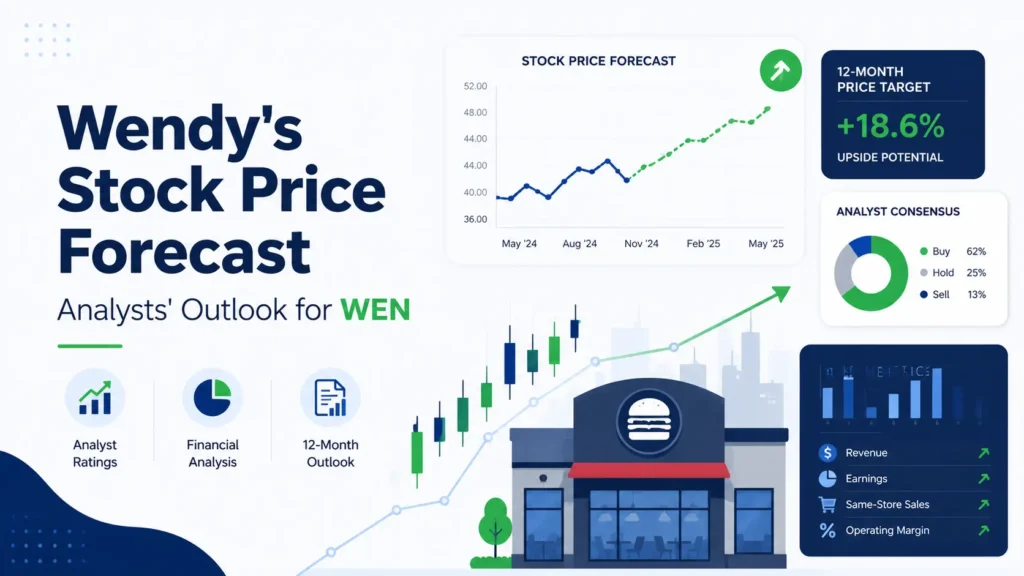
Hey there, fellow investors and fast-food enthusiasts! It’s your friendly neighbourhood business owner here, diving deep into the world of stock market predictions. Today, we’re putting one of America’s beloved burger chains under the microscope: Wendy’s (WEN). If you’re like me, you’ve probably enjoyed a Frosty or a Baconator (or two; no judgement here!). But when it comes to their stock, the picture gets a little less clear. We’re going to break down what the experts are saying about WEN for the next 12 months, and I’ll throw in my two cents and a cautionary tale from my own investing journey.
Investing in individual stocks can feel like a rollercoaster. One day you’re up, the next you’re down, and sometimes, you’re just left wondering what’s going on. Wendy’s stock has certainly had its share of ups and downs recently, leaving many investors scratching their heads. Is it a buy, a hold, or a sell? Let’s find out what the analysts, those folks who spend their days poring over financial reports and market trends, have to say.
My Investing Blunder: The “Sure Thing” That Wasn’t
Before we get into the nitty-gritty of WEN, let me share a quick story about a time I thought I had a “sure thing” in the stock market. Early in my investing days, I was convinced that a certain tech company, let’s call it “InnovateCo”, was destined for greatness. Their product was cool, their CEO was charismatic, and everyone I knew was talking about them. I poured a significant chunk of my savings into InnovateCo, ignoring some of the red flags in their financials and the cautious whispers from more experienced investors. I was blinded by the hype, by the story, and by my own enthusiasm.
What happened? InnovateCo’s stock plummeted. Turns out, a cool product and a charismatic CEO aren’t enough if the underlying business model isn’t sound and competition is fierce. I lost a good portion of my investment, and it was a painful, humbling lesson. It taught me that emotion has no place in investing and that thorough research, listening to diverse opinions (even the bearish ones), and understanding the fundamentals are paramount. This experience made me realise that even a company you love as a consumer might not be a great investment. So, when we look at Wendy’s today, I’m bringing that hard-earned scepticism and a commitment to looking beyond just the brand name.
The Current State of Wendy’s (WEN) Stock: A Mixed Bag
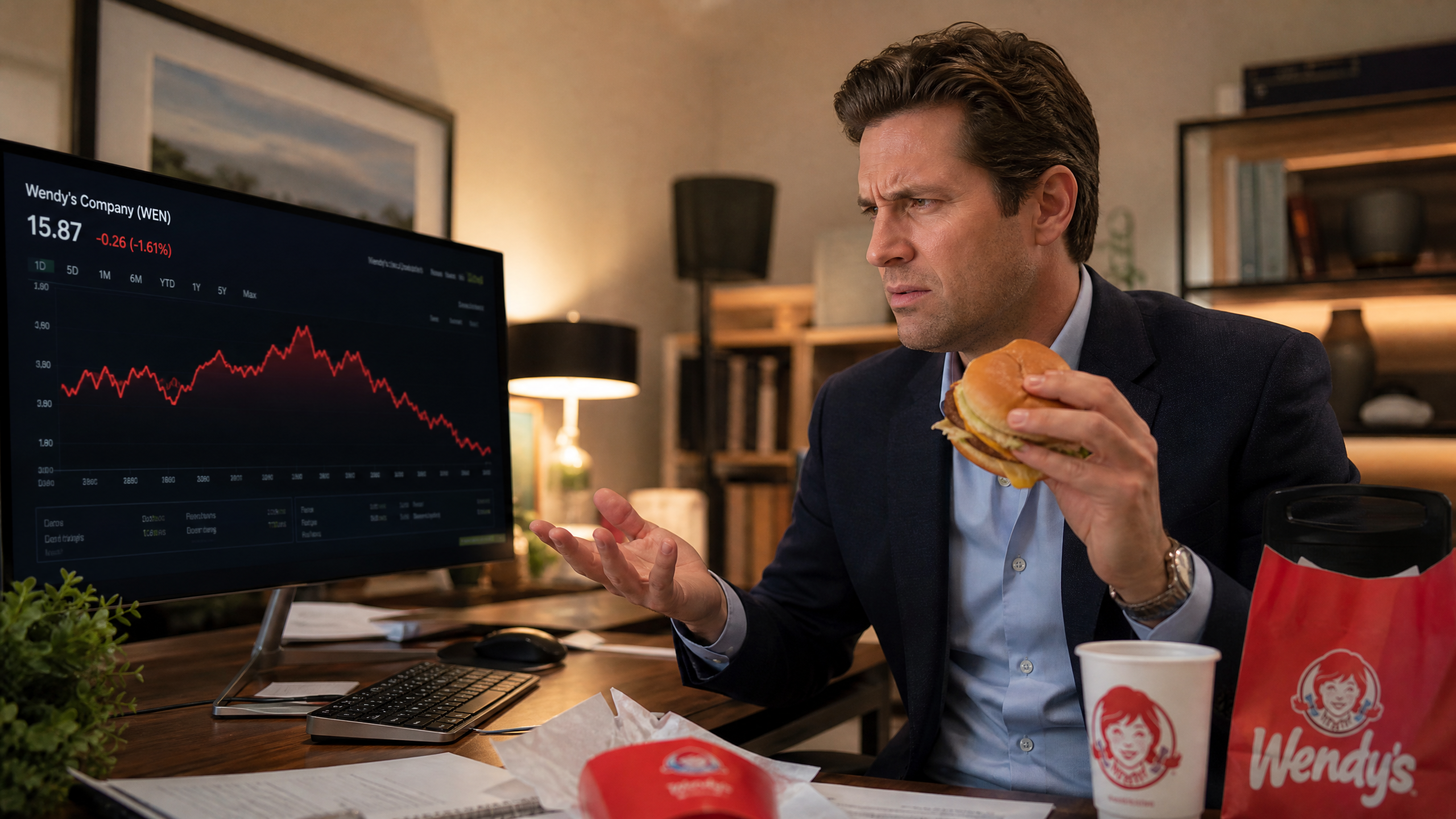
As of early July 2026, Wendy’s stock (WEN) has been a bit of a head-scratcher. While it recently saw a significant surge, reportedly up 28% in a single month due partly to retail investor interest (the “meme stock” phenomenon we’ve discussed before), its year-over-year performance tells a different story, showing a decline of around 31%. ¹. The current trading price hovers around $7.55 to $7.78, with a market capitalisation ranging from $1.44 billion to $1.64 billion, depending on the source. ¹
This kind of volatility is enough to make any investor nervous. It signals that there are strong forces pulling the stock in different directions. On one hand, you have enthusiastic retail traders and some positive news. On the other, you have underlying business challenges that are giving institutional analysts pause. It’s a classic tug-of-war, and understanding both sides is key to making an informed decision.
What the Analysts Are Saying: The Consensus View
So, what’s the professional consensus on WEN for the next 12 months? It’s leaning towards caution. Across various financial platforms, the general sentiment from analysts is either a “Hold” or a “Reduce” rating. ¹. This isn’t a ringing endorsement, but it’s not a complete dismissal either. It suggests that while there might be some short-term trading opportunities or a belief that the stock won’t fall much further, significant growth isn’t widely anticipated.
Key Analyst Ratings Breakdown:
- Sell/Reduce Ratings: Typically, around 5 to 6 analysts recommend selling or reducing positions in WEN 1. This indicates concerns about the company’s fundamentals or market position.
- Hold Ratings: The majority, often 13 to 15 analysts, suggest holding the stock. ¹ This means they believe the stock will perform in line with the broader market or that its current price fairly reflects its value, with no strong catalysts for significant upward or downward movement.
- Buy Ratings: A smaller contingent, usually 4 to 5 analysts, still sees WEN as a buying opportunity. ¹ These analysts might be focusing on long-term potential, specific turnaround strategies, or undervaluation.
This distribution of ratings paints a picture of a company facing headwinds, where optimism is tempered by a healthy dose of scepticism. It’s a stock that requires careful consideration, not a speculative gamble.
Price Targets: Where Do They See WEN Heading?
- Consensus Price Target: The average price target typically falls between $8.00 and $8.56. ¹ This suggests a modest upside from its current trading price.
- High Price Target: The most optimistic analysts see WEN reaching $13.00 to $16.00. These higher targets likely factor in successful execution of growth strategies or a significant positive shift in market conditions.
- Low Price Target: On the more conservative side, some analysts predict the stock could drop to $5.00 to $6.00.¹ This reflects concerns about ongoing challenges or a worsening economic environment.
What does this mean for you? The median forecast implies a relatively small upside, somewhere between 5.8% and 13.34% from current levels. ¹ This isn’t the kind of explosive growth that gets investors rich overnight, but it could represent a stable, albeit modest, return if the company performs as expected. It also highlights the significant risk, given the potential for a drop to the lower price targets.
Diving Deeper: The Financials and Outlook for 2026
To understand these forecasts, we need to look at Wendy’s recent financial performance and their own outlook for 2026. The company has been transparent about its challenges and its plans to address them.
Q1 2026 Performance (Reported May 8, 2026) 4:
- Global Systemwide Sales: Decreased by 5.5% year-over-year, totalling $3.2 billion. This is a significant concern, indicating a contraction in overall sales across their restaurant network.
- U.S. Same-Restaurant Sales: This metric, crucial for established brands, saw a notable decline of 7.8%. This is the core of the problem, as it suggests fewer customers or lower spending per customer in existing U.S. locations.
- International Systemwide Sales: A bright spot, growing by 6.0%. This highlights the potential for growth outside the saturated U.S. market.
- Net Income: Dropped by a substantial 42.1% year-over-year to $22.7 million. This directly impacts profitability and investor returns.
- Adjusted EBITDA: Decreased by 10.6% year-over-year to $111.3 million. This is another key profitability metric showing a downward trend.
These numbers from the first quarter of 2026 are not pretty. They reflect a business that is struggling with its core U.S. operations. As a business owner, I know that a decline in same-restaurant sales is a red flag. It means you’re losing customers or they’re spending less, and that’s a tough trend to reverse.
Wendy’s 2026 Outlook (Reaffirmed in May 2026) 4:
Despite the challenging Q1, Wendy’s has reaffirmed its full-year 2026 outlook, which includes the following:
- Global Systemwide Sales Growth: Approximately Flat. This means they don’t expect significant overall growth, aiming to stabilise rather than expand rapidly.
- Adjusted EBITDA: Projected between $460 million and $480 million.
- Adjusted Earnings Per Share (EPS): Expected to be between $0.56 and $0.60.
- Free Cash Flow: Forecasted between $190 million and $205 million.
This outlook is conservative, reflecting the current market realities and the company’s ongoing efforts to turn things around. It’s not the kind of guidance that typically excites investors, but it does provide a realistic baseline.
The Headwinds: Why Wendy’s is Facing Challenges
Several factors are contributing to Wendy’s current struggles and the cautious analyst sentiment:
- Weak U.S. Traffic: This is perhaps the biggest issue. Consumers are either visiting less often or choosing other options. This could be due to increased competition, changing consumer habits, or economic pressures. ⁴
- Commodity and Labour Inflation: The cost of ingredients and labour continues to rise, squeezing profit margins. Fast-food companies operate on thin margins, so even small increases in costs can have a significant impact. ⁴
- Intense Competition: The fast-food landscape is brutally competitive. Wendy’s is up against giants like McDonald’s and Burger King, as well as a growing number of fast-casual options and local eateries. Everyone is fighting for a share of the consumer’s wallet.
- Changing Consumer Preferences: There’s a growing trend towards healthier eating, plant-based options, and more diverse cuisines. While Wendy’s has made efforts to adapt, it’s a constant battle to stay relevant and appealing to evolving tastes.
My personal experience with my coffee shop taught me a lot about competition and changing tastes. I thought my unique blend would be enough, but when a new, trendier cafe opened down the street with oat milk lattes and avocado toast, my traditional offerings suddenly felt a bit… stale. It’s a constant fight to innovate and stay ahead, and it’s clear Wendy’s is feeling that pressure.
The Tailwinds: What Could Drive a Recovery?
Despite the challenges, Wendy’s isn’t sitting still. They have several initiatives that could potentially drive a recovery and improve their stock performance:
- Project Fresh Turnaround Plan: This is Wendy’s internal strategy to revitalises its U.S. business. It includes menu innovation, such as the introduction of the “Biggie platform” (value offerings) and upgraded premium hamburgers and chicken sandwiches. ⁴. The success of these new menu items in attracting and retaining customers will be critical.
- International Expansion: The international segment is a clear growth driver. The recent franchise agreement to build up to 1,000 restaurants in China over the next 10 years is a massive opportunity.⁴ Expanding into new, high-growth markets can offset stagnation in more mature markets.
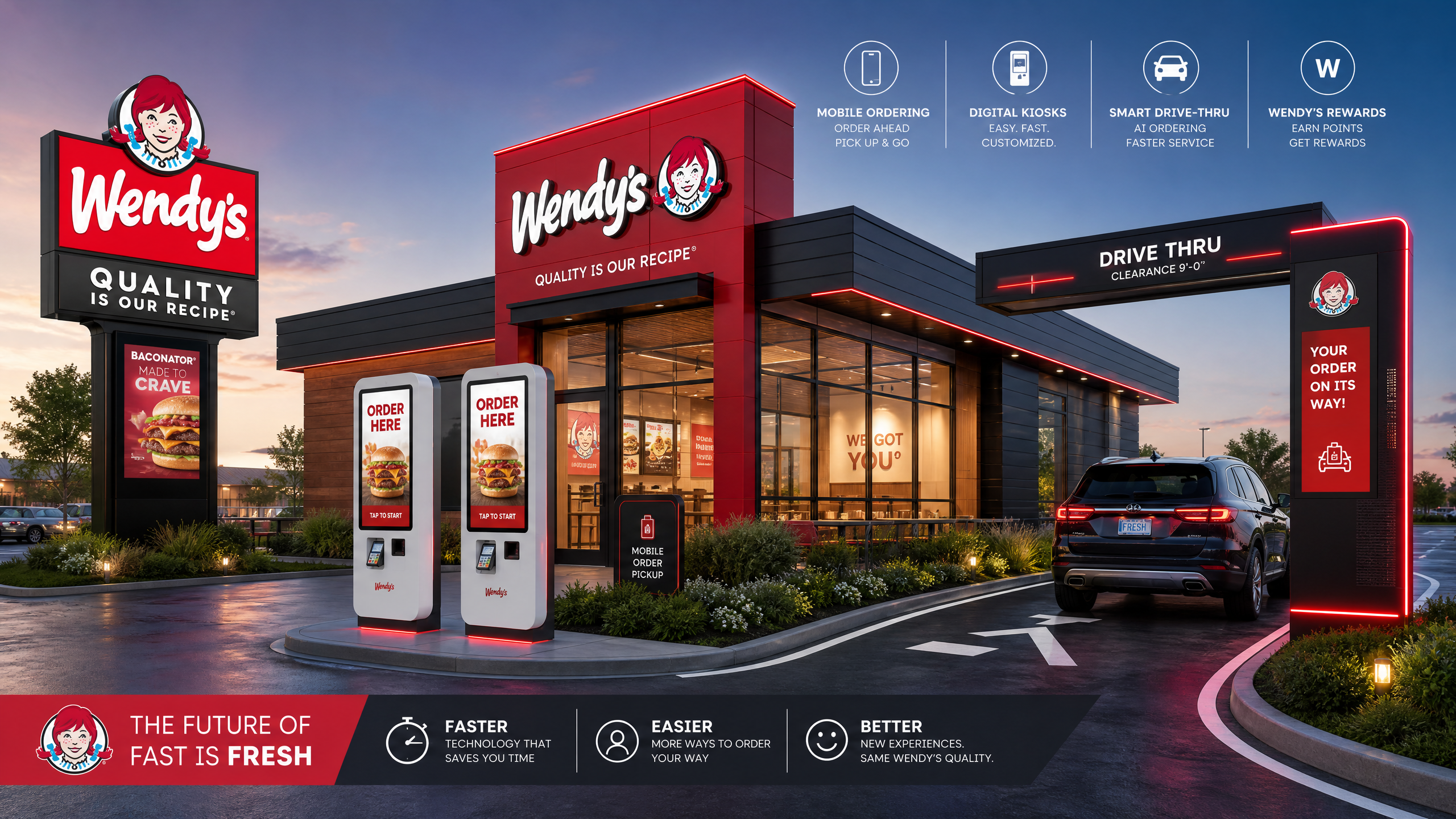
- Digital Sales and AI-Powered Ordering: Wendy’s is investing heavily in digital channels, including AI-powered ordering systems. This aims to improve efficiency, order accuracy, and the overall customer experience, which can lead to increased sales and customer loyalty.²
- Share Repurchase Program: While they haven’t repurchased shares in Q1 2026, there’s still approximately $35 million available under their existing authorisation. ⁴ Share buybacks can boost EPS and signal confidence from management, potentially supporting the stock price.
The Investor’s Dilemma: To Hold, Buy, or Sell?
So, what’s an investor to do? Given the mixed signals, it’s a tough call. Here’s how I’d break it down, keeping in mind my own past mistakes and the current analyst sentiment:
- For the Cautious Investor (My Stance): The “Hold” or “Reduce” ratings from the majority of analysts suggest that significant upside in the short term (12 months) is unlikely. The company is in a turnaround phase, and turnarounds take time. I’d personally be hesitant to jump in with a large new investment right now. I’d prefer to see consistent positive trends in U.S. same-restaurant sales and clear evidence that “Project Fresh” is gaining traction before considering a “Buy”.
- For the Growth-Orientated Investor: If you’re looking for explosive growth, WEN might not be the best fit for the next 12 months. The forecasted upside is modest, and the headwinds are significant. You might find better opportunities in other sectors or companies with clearer growth trajectories.
- For the Value Investor: Some might argue that WEN is undervalued, especially if you believe in the long-term potential of its international expansion and digital initiatives. However, value investing requires patience and a strong conviction that the company will eventually overcome its challenges. The low price targets also highlight the risk of further downside.
My personal failure taught me to be wary of hype and to focus on fundamentals. While Wendy’s has a strong brand and some promising initiatives, the current financial performance in its core market is a concern. I’d be watching closely for signs of a genuine turnaround, particularly in U.S. same-restaurant sales and improved profitability, before making a move.
Key Factors to Watch in the Coming Months
If you’re holding WEN or considering an investment, here are the critical areas to monitor:
- Q2 2026 Earnings Report (August 7, 2026): This will be a crucial update. Pay close attention to U.S. same-restaurant sales, international growth, and any updates on “Project Fresh” 2.
- Consumer Spending Trends: Keep an eye on broader economic indicators and consumer spending habits, especially in the fast-food sector. Are people cutting back on discretionary spending? Are they opting for cheaper alternatives?
- Competitive Landscape: Watch what competitors are doing. Are they launching new menu items? Are they gaining market share? The fast-food industry is a constant battle for customers.
- Inflationary Pressures: Continue to monitor commodity prices and labour costs. Any easing of these pressures could significantly improve Wendy’s profit margins.
- Digital and AI Adoption: Track the success of Wendy’s digital initiatives. Are their AI-powered ordering systems improving efficiency and customer satisfaction? Is mobile ordering driving increased sales?
Conclusion: A Winding Road Ahead
Wendy’s is a company with a strong brand and a loyal customer base, but it’s currently navigating a challenging period. The analyst consensus for the next 12 months suggests a cautious outlook, with modest upside potential and notable risks. The company’s “Project Fresh” and international expansion are promising, but their success is not guaranteed.
For me, investing is about patience and informed decisions. While I love a good Wendy’s burger, my investment strategy demands more than just brand loyalty. I’ll be watching closely, hoping to see concrete evidence that their turnaround efforts are taking hold. The next 12 months will be a critical period for Wendy’s, and only time will tell if they can regain their momentum and deliver consistent value to shareholders.
References
Deeper Dive into Headwinds: The Shifting Sands of Fast Food
The challenges Wendy’s faces are not unique to the brand; they reflect broader shifts in the fast-food industry. The weak U.S. traffic isn’t just about Wendy’s; it’s a symptom of consumers having more choices than ever before. From meal kit services to gourmet food trucks and the rise of healthier, quick-service options, the competition for the consumer’s dollar is intense. My own experience with the coffee shop taught me that even a loyal customer base can be swayed by new trends and convenience. If a competitor offers a slightly better experience, a more innovative menu item, or simply a more appealing atmosphere, customers will vote with their wallets. For Wendy’s, this means constantly battling to differentiate itself in a crowded market where brand loyalty is increasingly fragile.
Commodity and labour inflation are also relentless pressures. Imagine trying to run a business where the cost of your core ingredients – beef, potatoes, and even the packaging – is constantly fluctuating, often upwards. Add to that the rising minimum wage demands and the need to attract and retain quality staff in a tight labour market, and you have a recipe for squeezed margins. These aren’t just abstract numbers on a balance sheet; they translate directly into higher operating costs, which can either be passed on to the consumer (risking further traffic declines) or absorbed by the company (impacting profitability). It’s a delicate balancing act that requires constant vigilance and strategic pricing decisions.
Furthermore, changing consumer preferences are a silent but powerful force. The demand for transparency in sourcing, healthier options, and customisable meals is growing. While Wendy’s has introduced salads and tried to highlight its fresh, never-frozen beef, the perception of fast food as an unhealthy indulgence persists for many. The younger generation, in particular, is often more attuned to ethical sourcing and dietary restrictions. Adapting to these evolving tastes without alienating the core customer base is a monumental task. It requires innovation that feels authentic, not just a fleeting trend. My coffee shop failed partly because I didn’t adapt quickly enough to the demand for diverse milk alternatives and ethically sourced beans. It’s a lesson in staying agile and listening to your customers, even when their preferences shift rapidly.
Unpacking the Tailwinds: Strategic Moves for a Comeback
Despite the formidable headwinds, Wendy’s isn’t without its strategic advantages and potential catalysts for recovery. Project Fresh, their turnaround plan, is more than just a marketing slogan; it’s a multi-faceted approach to revitalising the brand. The introduction of the “Biggie platform” is a direct response to consumer demand for value, a critical factor in an inflationary environment. By offering compelling deals, Wendy’s aims to drive traffic back into its U.S. restaurants. The upgrades to premium hamburgers and chicken sandwiches are also crucial. In a market where quality perception matters, enhancing core menu items can reignite customer interest and justify higher price points. The success of these initiatives will be measured not just in sales but also in customer satisfaction and repeat visits.
International expansion, particularly the ambitious plan to build up to 1,000 restaurants in China, represents a significant long-term growth vector. While the U.S. market may be mature, many international markets offer vast untapped potential. China, with its massive population and growing middle class, presents an enormous opportunity for a well-established global brand like Wendy’s. This isn’t a quick win; it’s a decade-long commitment that requires careful execution, cultural adaptation, and strong franchise partnerships. However, if successful, it could significantly diversify Wendy’s revenue streams and reduce its reliance on the U.S. market.
Finally, digital sales and AI-powered ordering are not just buzzwords; they are essential investments for the future of fast food. The pandemic accelerated the shift towards mobile ordering, delivery, and drive-thru efficiency. Wendy’s focus on AI-powered ordering aims to streamline operations, reduce wait times, and improve order accuracy – all critical factors for customer satisfaction. A seamless digital experience can be a powerful differentiator, especially for younger, tech-savvy consumers. It’s about meeting customers where they are and making their experience as convenient and friction-free as possible. My coffee shop, had it survived, would have needed a robust online ordering system and loyalty programme to compete. Wendy’s is clearly investing in these areas, and their success will be vital for future growth.
The Long View: Beyond the Next 12 Months
While analysts focus on the next 12 months, a savvy investor (or a blogger who’s learnt from past mistakes!) also considers the long-term trajectory. Wendy’s, like many legacy brands, is in a period of transformation. The quick-service restaurant industry is dynamic, constantly evolving with consumer tastes, technological advancements, and economic shifts. The company’s ability to adapt, innovate, and execute its strategic plans will determine its success far beyond the immediate forecast horizon.
Factors like brand relevance, operational efficiency, and the strength of its franchise system will play a crucial role. Can Wendy’s continue to attract new generations of customers while retaining its loyal base? Can it effectively manage its supply chain and labour costs in an unpredictable global economy? These are the questions that will ultimately shape its long-term value. The next 12 months are just a snapshot, a critical period where the seeds of future success or continued struggle will be sown. As an investor, it’s about understanding this broader narrative and not getting too caught up in short-term fluctuations, no matter how dramatic they may seem.