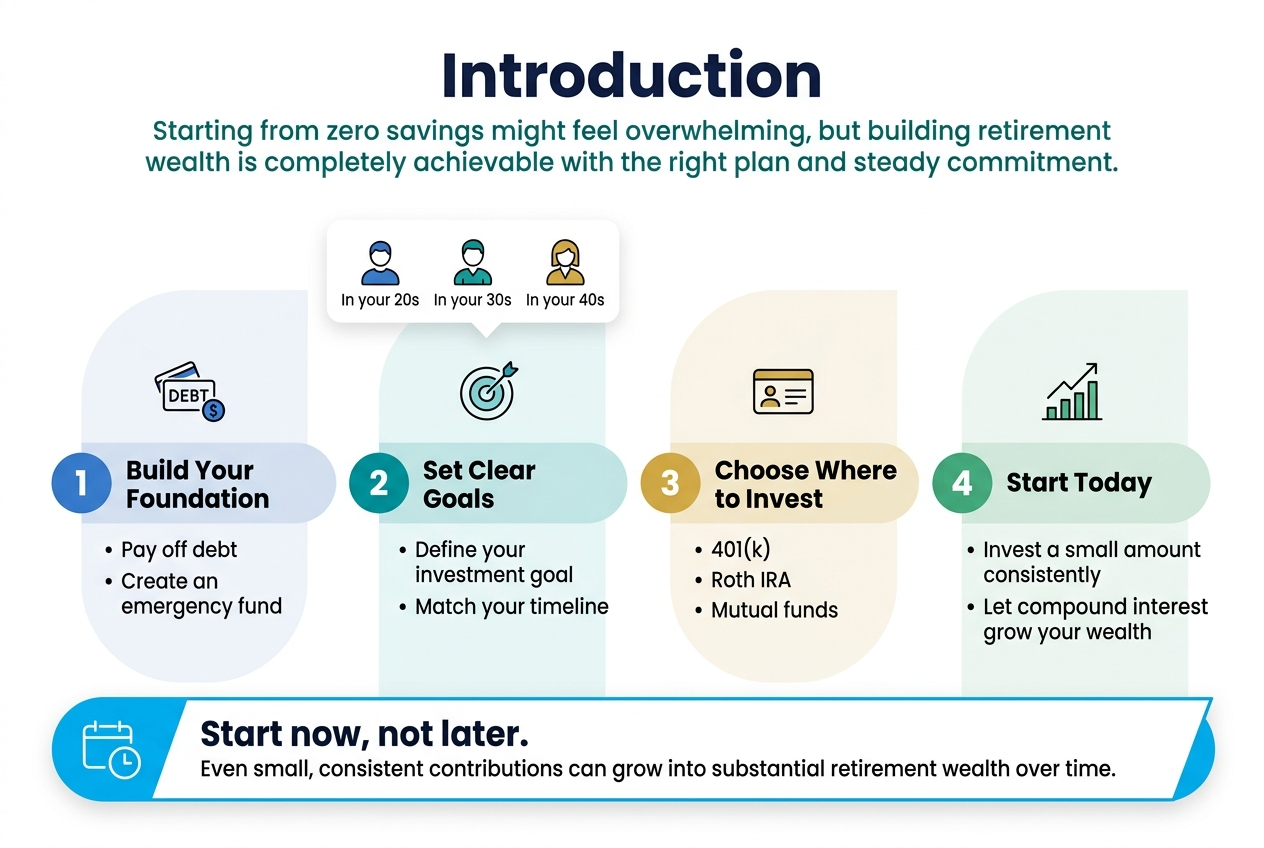
Are you ready to take control of your future? Achieving financial independence by 2026 is a bold goal, but it is entirely possible with the right plan. The FIRE movement offers a clear path for those who want to break free from the traditional grind.
By focusing on smart savings and consistent investment, you can build lasting wealth. This journey requires a shift in how you view your daily budgeting habits. It is not just about cutting costs; it is about prioritizing what truly matters to you.

The current economic climate provides a unique window to accelerate your early retirement plans. When you master the core principles of FIRE, you gain the freedom to design your life on your own terms. Start your path toward financial independence today through disciplined budgeting and wise investment choices. Your early retirement dream starts with the savings you set aside right now.
Key Takeaways
- Define your personal goals to stay motivated throughout the process.
- Prioritize high-yield accounts to grow your wealth faster.
- Track every dollar to ensure your spending aligns with your values.
- Automate your contributions to remove emotional decision-making.
- Focus on long-term growth rather than short-term market trends.
Understanding the Core Principles of FIRE
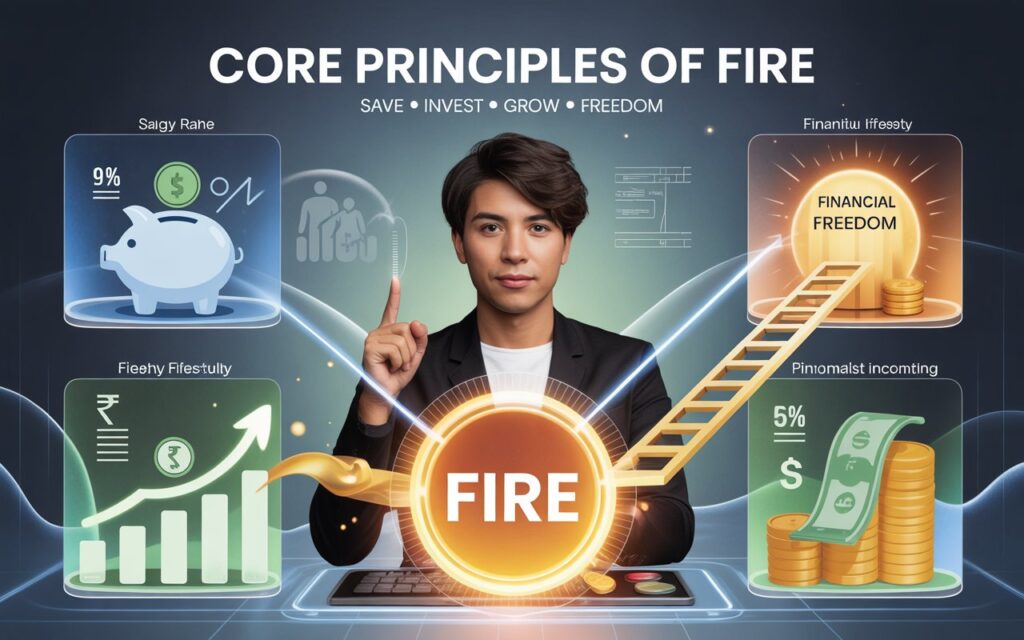
Mastering the basics of the FIRE movement is the first step toward building a life defined by choice rather than obligation. By shifting your focus from consumption to capital accumulation, you can accelerate your timeline for early retirement significantly.
Defining Financial Independence and Early Retirement
At its heart, financial independence means your investments generate enough passive income to cover your living expenses. You are no longer required to trade your time for a paycheck to survive.
This state of freedom allows you to pursue work that is meaningful rather than mandatory. Early retirement does not necessarily mean sitting on a beach; it means having the autonomy to design your days exactly as you wish.
- High Savings Rate: Prioritizing aggressive saving over lifestyle inflation.
- Intentional Spending: Focusing resources on what truly brings value to your life.
- Passive Income Streams: Building assets that work for you around the clock.
The Mathematics Behind the FIRE Movement
The engine driving this movement is the power of compound interest. When you reinvest your earnings, your money begins to grow exponentially rather than linearly.
The math is simple but profound. By maintaining a high savings rate and investing in low-cost assets, you reduce the time needed to reach your “FIRE number.” This is the total amount of capital required to sustain your lifestyle indefinitely through safe withdrawal rates.
Why 2026 is a Pivotal Year to Start Your Journey
Starting your path in 2026 offers a unique advantage for those ready to commit to long-term growth. Current market conditions provide a strategic entry point for investors looking to build a robust portfolio.
As we move further into the decade, the tools and resources available for personal finance have never been more accessible. Taking action now allows you to harness the momentum of a changing economy to secure your future financial independence.
Assessing Your Current Financial Landscape
Your journey toward early retirement begins with a brutally honest look at your bank accounts. You cannot reach a destination if you do not know your starting point. By taking control of your numbers, you create the foundation necessary for long-term wealth accumulation.
Calculating Your Net Worth and Cash Flow
To start, you must calculate your net worth by subtracting your total liabilities from your total assets. This simple calculation provides a snapshot of your financial health at any given moment. You should update this figure every quarter to track your progress accurately.
Next, analyze your cash flow to see exactly where your money goes each month. Many people find that tracking their spending reveals surprising patterns. Using tools like Empower or YNAB can automate this process and save you significant time.
Identifying High-Interest Debt and Financial Leaks
Effective debt management is the next critical step in your plan. High-interest liabilities, such as credit card balances, act as anchors that drag down your financial progress. You should prioritize paying off these debts to stop the drain on your potential savings.
Beyond obvious debts, look for hidden financial leaks that hinder your retirement planning. These often include unused subscriptions, excessive dining out, or high bank fees. Eliminating these small, recurring costs allows you to redirect more capital toward your future freedom.
Setting Realistic Milestones for Your Retirement Goal
Once you have a clear picture of your finances, you can set achievable milestones. Breaking your long-term vision into smaller, manageable goals keeps you motivated. Consistency is far more important than intensity when you are just starting out.
Consider using the following framework to structure your retirement planning milestones:
- Short-term: Build a three-month emergency fund.
- Mid-term: Eliminate all consumer debt with interest rates above 6%.
- Long-term: Reach a specific investment target that supports your desired lifestyle.
Remember that your path is unique and may require adjustments along the way. Stay focused on your debt management strategies and celebrate every small win. By staying disciplined, you will turn your vision of early retirement into a tangible reality.
Mastering Budgeting for Aggressive Savings
Transforming your financial future begins with the simple yet powerful act of intentional budgeting. By shifting your focus toward aggressive savings, you create the necessary momentum to reach your goals faster. This process is not about deprivation, but rather about aligning your spending with your long-term vision.
Implementing the Fifty-Thirty-Twenty Rule for FIRE
The fifty-thirty-twenty framework provides a clear structure for managing your income. You allocate 50% of your take-home pay toward essential needs like housing and utilities. The next 30% covers discretionary wants, while the final 20% is dedicated strictly to your financial independence goals.
This method prevents overspending while ensuring that your future self remains a priority. It acts as a guardrail, keeping your finances on track even when life gets busy. By sticking to these percentages, you build a sustainable habit that supports long-term wealth creation.
Automating Savings to Remove Human Error
One of the most effective ways to ensure consistency is to remove the need for willpower. When you automate your transfers, you treat your future freedom like a non-negotiable bill. Set up direct deposits so that a portion of your paycheck moves into your investment accounts before you even see it.
This strategy eliminates the temptation to spend money that should be saved. By removing human error from the equation, you guarantee that your progress continues every single month. Consistency is the secret ingredient to successful wealth building.
Cutting Discretionary Expenses Without Sacrificing Quality of Life
True lifestyle design involves evaluating your spending to ensure it brings genuine value to your life. You can often reduce costs by auditing recurring subscriptions or choosing more affordable alternatives for daily habits. The goal is to eliminate waste without feeling like you are missing out on the things you truly enjoy.
As you optimize your spending, remember to prioritize building a robust emergency fund. This safety net protects your progress against unexpected life events, such as medical bills or car repairs. Having three to six months of expenses set aside provides the peace of mind needed to stay focused on your journey toward freedom.
Proven FIRE Strategy for Beginners
Your path to financial independence starts with understanding the different philosophies that drive successful wealth accumulation. While the core goal remains the same, the way you reach it can vary significantly based on your personal lifestyle preferences.
Selecting the right framework early on helps you stay focused during your journey. By aligning your daily habits with a clear vision, you make the process of building long-term security much more manageable.
Choosing Between Lean FIRE and Fat FIRE Approaches
The Lean FIRE approach focuses on extreme frugality and a minimalist lifestyle. This method allows you to reach your goal faster by significantly reducing your annual expenses and lowering your total savings target.
Conversely, Fat FIRE is designed for those who want to maintain a more luxurious lifestyle during retirement. This path requires a much larger nest egg, which often necessitates a longer period of active employment or more aggressive investment strategies.

The Importance of Increasing Your Primary Income
Many beginners mistakenly believe that reaching FIRE is only about cutting costs. While managing expenses is vital, true financial acceleration often comes from boosting your primary income through career advancement.
Focusing on high-value skills can lead to promotions or better job opportunities. When you increase your salary, you can funnel the surplus directly into your investment accounts without sacrificing your current quality of life.
Leveraging Side Hustles to Accelerate Capital Accumulation
Side hustles provide a powerful way to generate extra capital that can be invested into income-producing assets. By diversifying your revenue streams, you create a more reliable foundation for generating passive income in the future.
Whether you choose freelance consulting, digital products, or small business ventures, these efforts act as a catalyst for your FIRE journey. Every dollar earned from a side project is a step closer to your ultimate goal of financial freedom and sustainable passive income.
Building a Robust Investment Portfolio
Building a robust investment portfolio is the primary engine that drives your journey toward financial freedom. By harnessing the power of compound interest, you allow your money to grow exponentially over time. This process transforms small, consistent contributions into a significant nest egg that supports your future lifestyle.
Utilizing Tax-Advantaged Accounts in the United States
To maximize your wealth, you must prioritize tax efficiency. Utilizing accounts like a 401(k) or a Roth IRA allows your earnings to grow without the immediate burden of annual taxes. These vehicles are essential tools for anyone looking to accelerate their path to retirement.
By contributing the maximum allowed amount, you reduce your taxable income today while securing a larger pool of capital for tomorrow. This strategy ensures that more of your money stays invested, further fueling the cycle of growth.
The Role of Low-Cost Index Funds and Exchange Traded Funds
Selecting the right assets is just as important as where you hold them. Low-cost index funds and Exchange Traded Funds (ETFs) provide instant diversification across hundreds of companies. This approach helps protect your portfolio against market volatility, as you are not relying on the success of a single stock.
“The stock market is a device for transferring money from the impatient to the patient.”
— Warren Buffett
These funds typically carry lower expense ratios, which means more of your returns remain in your pocket. Over several years, these small savings in fees translate into thousands of dollars of additional passive income.
Understanding Asset Allocation and Risk Tolerance
Your asset allocation should reflect your personal comfort with risk and your timeline for retirement. A balanced mix of stocks and bonds can help you navigate economic shifts while maintaining steady growth. It is vital to review your portfolio periodically to ensure it still aligns with your long-term goals.
| Account Type | Primary Benefit | Tax Treatment |
|---|---|---|
| 401(k) | Employer Match | Tax-Deferred |
| Roth IRA | Tax-Free Growth | Post-Tax |
| Brokerage | High Liquidity | Taxable |
Ultimately, staying disciplined during periods of market volatility is the hallmark of a successful investor. By maintaining a clear strategy and focusing on your long-term vision, you create a reliable stream of passive income that sustains your independence.
Navigating Tax Implications and Healthcare
Smart planning for taxes and healthcare is the secret to a sustainable early exit. When you leave the traditional workforce, you lose the safety net of employer-sponsored benefits. Mastering tax efficiency and preparing for medical expenses are essential pillars of successful retirement planning.

Managing Capital Gains and Dividend Taxes
Your investment income will become your primary paycheck. It is vital to understand how capital gains and dividends are taxed to keep more of your money. Long-term capital gains often benefit from lower tax rates compared to ordinary income.
You should consider holding assets in taxable accounts for at least one year to qualify for these lower rates. Strategic tax-loss harvesting can also help offset gains, further improving your overall tax efficiency. By carefully timing your sales, you can manage your annual tax liability effectively.
Planning for Healthcare Costs Before Medicare Eligibility
Healthcare is often the most significant expense for those retiring before age 65. Without an employer plan, you must navigate the Affordable Care Act (ACA) marketplace. Subsidies may be available based on your modified adjusted gross income, making coverage more affordable than you might expect.
Many early retirees utilize a Health Savings Account (HSA) to cover out-of-pocket costs. Contributing to an HSA while you are still working allows your funds to grow tax-free. This creates a dedicated pool of money specifically for medical needs during your retirement years.
Strategies for Withdrawing Funds Early Without Penalties
Accessing retirement accounts before age 59½ can trigger steep penalties. However, there are proven methods to bypass these fees. One popular approach is the Roth conversion ladder, which allows you to move funds from a traditional IRA to a Roth IRA.
After a five-year waiting period, you can withdraw the converted principal without penalty. Another option is the Rule 72(t), which permits substantially equal periodic payments from your retirement accounts. Careful coordination of these strategies ensures your retirement planning remains robust and penalty-free throughout your journey to financial independence.
Psychological Shifts Required for Early Retirement
True success in your journey toward early retirement requires a fundamental shift in how you view your daily life. While the math of saving is clear, the mental journey is often the most challenging part of the process. You must learn to prioritize your long-term vision over short-term gratification to reach your goals.
Overcoming Lifestyle Inflation and Social Pressure
The biggest hurdle for many is the constant pull of lifestyle inflation. As your income grows, the temptation to upgrade your car, home, or wardrobe often follows. Resisting this urge is essential for maintaining your path toward financial independence.
Social pressure can also make your choices feel isolating. Friends and family may not understand why you choose to save aggressively instead of spending on luxury experiences. Staying firm in your lifestyle design helps you stay focused on what truly matters to your future self.
Defining Your Purpose Beyond the Traditional Workplace
Many people fear that leaving the workforce will lead to a loss of identity. It is vital to define your purpose before you reach your FIRE milestone. You should explore hobbies, volunteer work, or passion projects that provide meaning outside of a paycheck.
Think of your transition as a move toward freedom rather than a move away from work. When you view your time as your most valuable asset, you can craft a life that feels rewarding every single day. This shift ensures that your retirement remains fulfilling for decades to come.
Building a Community of Like-Minded FIRE Enthusiasts
You do not have to walk this path alone. Connecting with others who share your goals provides the support and accountability needed to stay on track. A strong community can offer practical advice and emotional encouragement during difficult times.
Consider these benefits of joining a FIRE community:
- Shared Knowledge: Learn from the experiences of others who have already achieved early retirement.
- Accountability: Stay motivated by discussing your progress and challenges with peers.
- Validation: Find comfort in knowing that your commitment to financial independence is a shared value.
By surrounding yourself with people who prioritize lifestyle design, you normalize your choices. This environment makes it much easier to ignore external pressures and stay committed to your long-term FIRE strategy.
Common Pitfalls to Avoid on Your Path to Freedom
Even the most carefully crafted financial plans can encounter unexpected obstacles along the way. While your strategy might look perfect on paper, real-world variables often test your resolve. Staying aware of these common traps allows you to adjust your course before small issues become major setbacks.
Underestimating Inflation and Market Volatility
Many beginners focus solely on their savings rate while ignoring the silent erosion caused by inflation. Over decades, the rising cost of living can significantly diminish your purchasing power. You must ensure your investment strategy accounts for long-term growth that outpaces these rising costs.
Furthermore, market volatility is an inevitable part of the financial landscape. If you panic during a downturn, you risk selling assets at the worst possible time. Maintaining a long-term perspective helps you ride out these fluctuations without compromising your future.
Failing to Maintain an Emergency Fund
A robust emergency fund acts as your primary shield against life’s unpredictable events. Without this safety net, a sudden car repair or medical bill can force you to rely on high-interest credit cards. This cycle often destroys your debt management progress and stalls your momentum.
“The biggest risk is not the market itself, but the lack of a plan to handle the unexpected.”
Ideally, your liquid savings should cover three to six months of essential expenses. Keeping this cash in a high-yield savings account ensures it remains accessible while earning a modest return. This simple step prevents you from liquidating your long-term investment portfolio during a crisis.
Neglecting Long-Term Health and Wellness
Financial independence loses its value if you do not have the health to enjoy it. Neglecting your physical well-being often leads to significant medical expenses that can drain your savings later in life. Prioritizing preventative care is a smart debt management strategy for your future self.
| Risk Factor | Potential Impact | Mitigation Strategy |
|---|---|---|
| Inflation | Reduced purchasing power | Diversified investment |
| Market Swings | Portfolio value drops | Stay the course |
| No Savings | High-interest debt | Build emergency fund |
Investing in your health today is just as important as funding your retirement accounts. Regular exercise, a balanced diet, and mental health check-ins are essential components of a sustainable lifestyle. By protecting your body and mind, you ensure that your emergency fund remains reserved for true emergencies rather than preventable health issues.
Conclusion
Achieving your goal of early retirement by 2026 requires a clear vision and consistent action. You now possess the tools to transform your financial future through disciplined habits.
Success in the FIRE movement relies on your ability to maintain a steady focus on your long-term objectives. Consistent savings act as the foundation for your wealth building journey. Every dollar you set aside brings you closer to true financial independence.
Smart investment choices allow your capital to grow over time. By utilizing low-cost funds from providers like Vanguard or Fidelity, you keep more of your returns. This approach minimizes unnecessary fees while maximizing your potential gains.
Intentional budgeting remains a vital skill for managing your resources effectively. You gain control over your lifestyle by prioritizing spending that aligns with your values. This clarity helps you navigate the complexities of the modern economy with ease.
You are ready to take the next step toward your desired life. Start your journey today with confidence. Your commitment to these principles will secure the freedom you seek.
FAQ
What exactly is the FIRE movement and how do I start in 2026?
The FIRE movement stands for Financial Independence, Retire Early. To start in 2026, you begin by defining your “FIRE number”—the amount of invested assets you need to support your lifestyle. You can jumpstart this journey by opening accounts with reputable firms like Vanguard or Fidelity and focusing on a high savings rate to build your long-term wealth.
What is the difference between Lean FIRE and Fat FIRE?
Lean FIRE is designed for those who plan to live a minimalist lifestyle in retirement, typically with annual expenses under $40,000. In contrast, Fat FIRE is for individuals who want a more traditional or even luxurious lifestyle without budget constraints. Choosing between them depends on your personal lifestyle design and how much passive income you intend to generate.
How does compound interest help me achieve early retirement?
Compound interest is often called the eighth wonder of the world. By consistently contributing to your investment portfolio, you earn returns on both your principal and your previous earnings. Over time, this creates an exponential growth curve that significantly accelerates your path to financial independence.
How can I effectively manage my cash flow and calculate my net worth?
You can track your cash flow using tools like Empower (formerly Personal Capital) or Mint to see exactly where your money goes. Your net worth is calculated by subtracting all liabilities, such as high-interest debt, from your total assets. Monitoring these metrics monthly helps you identify financial leaks and stay on track with your milestones.
What is the 50/30/20 rule and is it enough for FIRE?
The 50/30/20 rule suggests allocating 50% of your income to needs, 30% to wants, and 20% to savings. While this is a great start for beginners, those pursuing early retirement often aim for a much more aggressive savings rate, sometimes saving 50% or more of their take-home pay by automating savings through platforms like Charles Schwab.
How do I handle healthcare costs if I retire before I am eligible for Medicare?
Navigating healthcare costs is one of the biggest challenges for the FIRE community. Common strategies include utilizing Health Savings Accounts (HSAs), purchasing insurance through the Affordable Care Act (ACA) marketplace, or choosing a “Barista FIRE” path where you work part-time for a company like Starbucks that offers health benefits.
What are the best tax-advantaged accounts to use in the United States?
To maximize tax efficiency, you should prioritize contributions to a 401(k), 403(b), or Individual Retirement Account (IRA). Additionally, Roth IRAs are popular because they allow for tax-free growth and withdrawals, which is a cornerstone of any proven FIRE strategy.
Can I withdraw my retirement funds early without paying a penalty?
Yes, there are several strategies to access your funds early. You can use a Roth IRA conversion ladder or take Substantially Equal Periodic Payments (SEPP) under IRS Rule 72(t). These methods allow you to access your passive income streams while avoiding the standard 10% early withdrawal penalty.
Why should I focus on low-cost index funds and ETFs?
Low-cost index funds and Exchange Traded Funds (ETFs), such as those tracking the S&P 500, offer broad market exposure with minimal fees. Keeping your investment costs low ensures that more of your money stays in your account to benefit from compound interest, rather than going to fund managers.
How do I deal with lifestyle inflation and social pressure?
Lifestyle inflation occurs when your spending increases as your income rises. To combat this, you must remain intentional with your budgeting and focus on your long-term goals. Building a community of like-minded enthusiasts on platforms like Reddit’s r/financialindependence can provide the social support needed to stay disciplined.
What are the risks of market volatility and inflation on my retirement plan?
Market volatility can cause your portfolio value to fluctuate, while inflation erodes your purchasing power. To mitigate these risks, it is essential to maintain a diversified asset allocation, keep a robust emergency fund, and ensure your withdrawal rate is conservative enough to survive down markets.