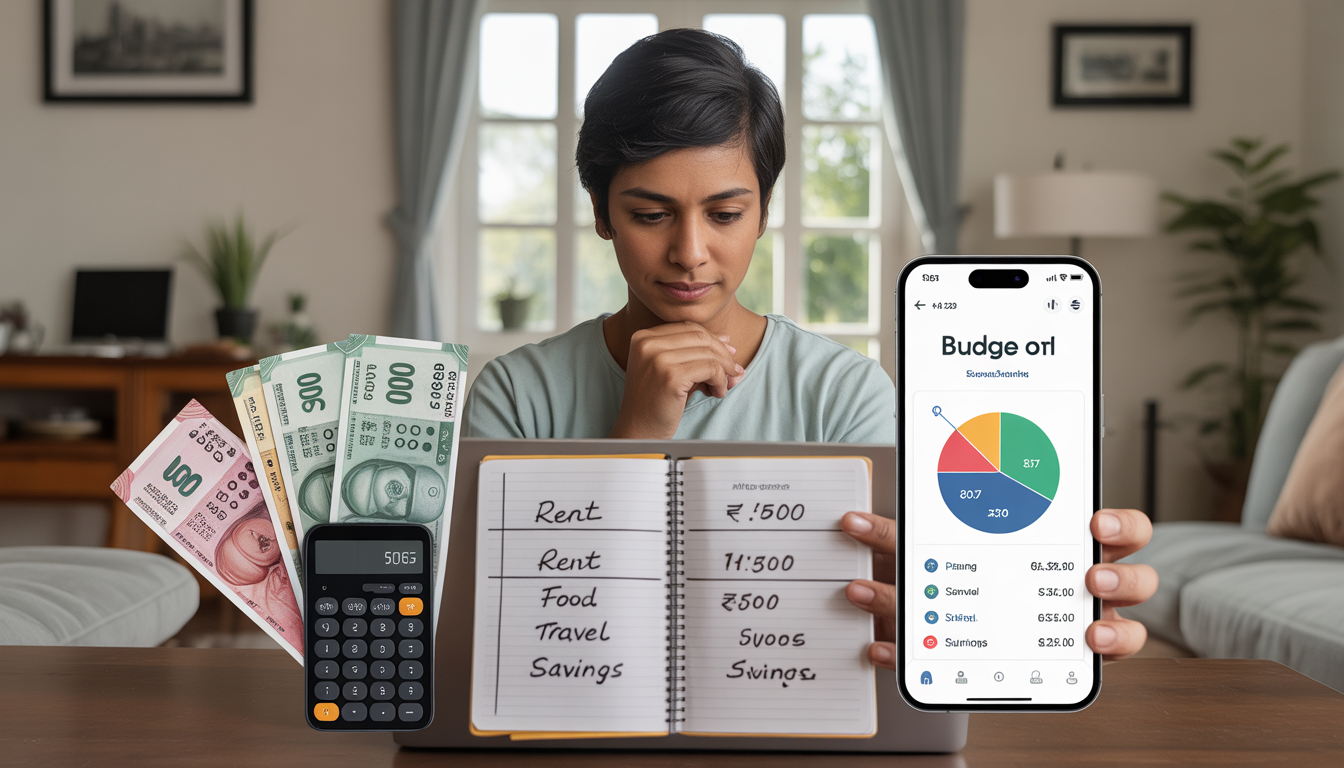
Picture this: You’re standing at the checkout counter, reaching for your wallet, & suddenly that familiar panic hits. Do I have enough money? Your heart races as you wonder if your card will get declined in front of everyone. I’ve been there, & it’s absolutely TERRIBLE. But here’s the thing I haven’t felt that stomach-dropping fear in over three years now. Not because I won the lottery or got some massive inheritance, but because I learned five simple rules that changed everything about how I handle money.
Money stress used to control my life completely. I would lie awake at night wondering how I’d pay rent, avoid going out with friends because I was broke, & constantly felt like I was drowning financially. Sound familiar? You’re definitely not alone in this struggle. Millions of people live paycheck to paycheck, always worried about running out of money before the next payday arrives.
The CRAZY thing is, managing money doesn’t have to be rocket science. After years of making every financial mistake possible, I discovered that staying financially secure comes down to following just five straightforward rules. These aren’t complicated investment strategies or get-rich-quick schemes. They’re simple, practical guidelines that anyone can follow, regardless of how much money they make. Today, I’m sharing these exact rules that transformed my financial life & gave me the peace of mind I never thought possible.
Rule #1: Always Pay Yourself FIRST (Before Anyone Else Gets Their Hands on Your Money)
This rule completely changed my financial game, & I wish someone had taught me this when I was younger. The moment your paycheck hits your bank account, the very first thing you do is move money into your savings. Not after you pay bills, not after you buy groceries, & definitely not after you treat yourself to something nice. FIRST means first, no exceptions.

Here’s why this works like magic: When you wait until the end of the month to save whatever’s left over, guess what’s usually left? Nothing! There’s always another expense, another “emergency,” or another temptation that eats up your remaining cash. But when you pay yourself first, you’re forcing yourself to live on less & building your financial safety net automatically.
I started with just $25 per paycheck because that’s all I could manage. It felt tiny & almost pointless at first, but watching that money grow gave me incredible motivation. Within six months, I had more money saved than ever before in my adult life. The psychological impact was HUGE – I finally felt like I was getting ahead instead of constantly falling behind.
Now I automatically transfer 15% of every paycheck to savings before I even think about spending money on anything else. Some months it feels tight, but I’ve learned to adapt my spending to what’s left rather than hoping there will be something left to save. This one change eliminated my biggest source of money anxiety because I always have cash building up in the background, even when life gets expensive. Try starting with whatever amount feels manageable for you, even if it’s just $10 or $20. The key is making it automatic & non-negotiable.
Rule #2: Create a “Life Happens” Fund (Because Life ALWAYS Happens)
Emergency funds aren’t just for rich people or financial experts – they’re for anyone who wants to sleep peacefully at night. Life has this annoying habit of throwing curveballs exactly when you can’t afford them. Your car breaks down, your phone dies, you get sick & miss work, or your landlord decides to raise the rent. Without an emergency fund, these situations turn into financial disasters that can derail your entire budget.

My wake-up call came when my laptop crashed right before a big work deadline. I had no choice but to put a new one on my credit card, which took me months to pay off. The stress was overwhelming, & I promised myself I’d never be that vulnerable again. Building my emergency fund became my top priority because I realized that being broke isn’t just about money – it’s about losing control over your choices.
Start by aiming for $500 in your emergency fund. I know that sounds like a lot, but break it down into smaller chunks. Save $25 per week, & you’ll hit $500 in just five months. Once you reach that first milestone, aim for $1,000, then work toward having enough to cover three months of basic expenses. The peace of mind this creates is absolutely PRICELESS.
Keep this money in a separate savings account that you don’t touch unless there’s a real emergency. & no, wanting the latest video game or a cute outfit doesn’t count as an emergency! I learned to ask myself: “Is this something that can wait, or will my life fall apart if I don’t handle it immediately?” True emergencies are rare, but when they happen, having cash ready means you can solve the problem quickly instead of creating a bigger financial mess.
Rule #3: Track Every Single Dollar Like Your Financial Life Depends on It
Most people have no clue where their money actually goes, & that’s exactly why they’re always broke. You might think you’re being careful with spending, but those small purchases add up faster than you realize. That daily coffee, lunch out with coworkers, random Amazon purchases, & subscription services you forgot about can easily eat up hundreds of dollars every month without you even noticing.

I used to be completely clueless about my spending habits. I’d look at my bank account & wonder how I spent so much money when I didn’t buy anything major. Everything changed when I started tracking every single expense for just one month. The results were SHOCKING – I was spending almost $200 monthly on random food purchases & subscriptions I rarely used. No wonder I never had money left over!
Tracking doesn’t have to be complicated or time-consuming. I use a simple app on my phone & enter each purchase right when I make it. Takes about 10 seconds, but it makes me think twice before buying something unnecessary. You could also use a notebook, spreadsheet, or even just save your receipts & add them up weekly. The method doesn’t matter as much as building the habit of paying attention to where your money goes.
After tracking for a few months, you’ll start seeing patterns that surprise you. Maybe you’re spending way more on entertainment than you realized, or perhaps grocery shopping without a list is costing you big time. This awareness naturally leads to better decisions because you can’t ignore the numbers when they’re right in front of you. Plus, tracking helps you find “money leaks” – those sneaky expenses that drain your budget without adding much value to your life.
Rule #4: Live Below Your Means (Even When You Want to Live Above Them)
This might be the hardest rule to follow because our culture constantly pushes us to spend more, upgrade everything, & keep up with what everyone else has. Social media makes it even worse by showing us highlight reels of people’s lives without revealing their financial struggles. But here’s the truth: living below your means is the ONLY way to build lasting financial security.

Living below your means doesn’t mean being cheap or never enjoying yourself. It means being intentional about spending & choosing what truly matters to you while cutting back on things that don’t add real value to your life. For example, I’d rather drive my reliable older car & have money for travel than have a fancy car payment that keeps me stuck at home. It’s all about priorities & making conscious choices instead of mindless spending.
One strategy that works great for me is the 24-hour rule for any purchase over $50. When I want something, I wait a full day before buying it. You’d be amazed how often that initial excitement fades & you realize you don’t actually need the item. For bigger purchases, I wait even longer & ask myself tough questions: Will this improve my life significantly? Can I afford it without touching my savings or emergency fund? Is there a less expensive alternative that would work just as well?
Another key part of living below your means is avoiding lifestyle inflation. When you get a raise or promotion, resist the urge to immediately upgrade your lifestyle to match your new income. Instead, save or invest the extra money. This habit ensures that you’re always building wealth rather than just maintaining a more expensive standard of living. Remember, it’s not about how much you make – it’s about how much you keep & what you do with it that determines your financial future.
Rule #5: Always Have Multiple Income Streams (Don’t Put All Your Eggs in One Basket)
Relying on just one source of income is like walking a financial tightrope without a safety net. If something happens to your main job, you’re in serious trouble. The past few years have shown us how quickly employment situations can change, & having backup income sources isn’t just smart – it’s ESSENTIAL for financial security.
Creating additional income streams doesn’t mean you need to work 80 hours per week or start some complicated business. Start small with skills you already have or things you enjoy doing. Maybe you’re good at graphic design, writing, tutoring, pet sitting, or selling things online. I started by freelance writing for just a few hours each week, which brought in an extra $200-300 monthly. That money went straight to my savings goals & gave me confidence that I could support myself even if my main job disappeared.
The beautiful thing about multiple income streams is that they often grow over time. What starts as a small side hustle might turn into something much bigger. Even if each stream only brings in $50-100 per month, having three or four of them adds up to real money that can accelerate your financial goals or provide security during tough times.
Don’t overlook passive income opportunities either. This could include renting out a room, selling digital products, investing in dividend-paying stocks, or creating online content that generates ongoing revenue. The goal is to build income that doesn’t require you to trade time for money directly. While these opportunities take effort to set up initially, they can provide long-term financial benefits that compound over time. Start exploring what’s possible with your skills, interests, & available time, & remember that every successful income stream started with someone taking the first small step.
Your Money Story Starts TODAY (Not Tomorrow, Not Next Week, Not Next Month)
These five rules might seem simple, but simple doesn’t mean easy. Changing your relationship with money takes time, patience, & consistent effort. But I promise you this: every small step you take today moves you closer to financial freedom & further away from money stress that keeps you awake at night.

Start with just one rule that resonates most with you. Maybe it’s paying yourself first because you’re tired of never having savings. Or perhaps tracking your spending because you’re curious where your money actually goes. Don’t try to implement all five rules at once – that’s a recipe for overwhelm & failure. Pick one, master it for a month, then gradually add the others.
Remember that everyone’s financial journey looks different. Your goals, timeline, & challenges are unique to your situation. Don’t compare your progress to others or get discouraged if things don’t change overnight. Building financial stability is like getting in shape – it takes consistent effort over time, but the results are absolutely worth it.
The most important thing is to start today, even if you can only save $5 or track spending for one week. Those small actions create momentum that builds into bigger changes. Your future self will thank you for every dollar saved, every expense tracked, & every smart financial decision you make starting right now. What rule will you implement first? Your journey to never running out of money begins with that single choice.